Concrete · Fort Worth, TX
Sidewalks & Walkways in Fort Worth, TX
**Concrete & Paving North Fort Worth** coordinates concrete sidewalks and walkways for homes, front-yard paths, and public right-of-way frontage across Haltom City, North Richland Hills, Watauga, Keller, and the wider Fort Worth metro. Front walks, garden paths, ADA-compliant public sidewalks, and the curb-and-gutter that ties into them all run through crews coordinated by a team with 15 years in local concrete work — calls answered 24 hours a day, every walkway quoted free and in writing before anything is scheduled.
A walkway looks like the simplest thing a concrete crew pours, and that's exactly why so many go wrong: a flat run of flatwork with no vehicle load to hide a bad base underneath. On the black gumbo clay that underlies most of Haltom City, North Richland Hills, and Watauga — weathered from the Cretaceous Eagle Ford and Woodbine formations and running well over 50 percent clay content by volume in a lot of yards — a walkway poured on ungraded or uncompacted ground doesn't fail slowly. It tips, dips, or humps at a single joint within a season or two, and that's the trip hazard homeowners end up calling about.
Every walkway we coordinate gets the same drainage-first approach: grade the subgrade to shed water away from the path before a single form goes in, compact a gravel base under it, and set control joints to steer shrinkage cracking into straight lines instead of random ones. Public-facing sidewalk sections built or replaced in the right-of-way get built to ADA slope and cross-slope tolerances from the start, not retrofitted after an inspector flags them.
This page covers walkways specifically — a garden path, a connecting run from the driveway to the front door, or a public sidewalk section. If it's a slab meant to carry a vehicle, see concrete driveways; if it's a slab meant for sitting outside on, see concrete patios.
What We Do
Our Sidewalk & Walkway Services in Fort Worth
A front walk, a garden path, and a public sidewalk section each get built to a different spec even though they're all flatwork. Here's how the crews we coordinate with break it down.
Residential Front Walks & Connecting Paths
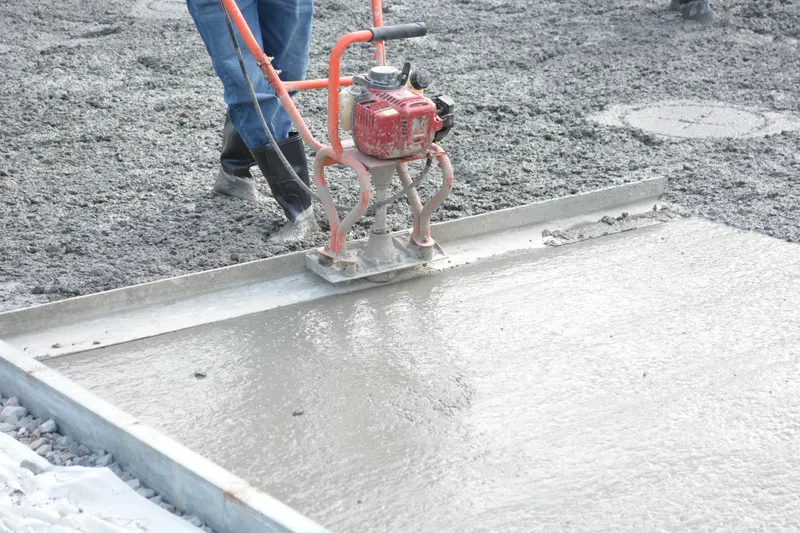
The run from the driveway to the front porch, or from a side gate to the backyard, typically costs $6 to $14 per square foot depending on width, length, and how much grading the yard needs first. Most residential walks run 3 to 4 feet wide, poured 3 to 4 inches thick over a compacted gravel base, and finished broom for slip resistance. On-site work is usually done in a single day, with a second day where an old walk needs demolition first.
Garden & Side-Yard Walkways
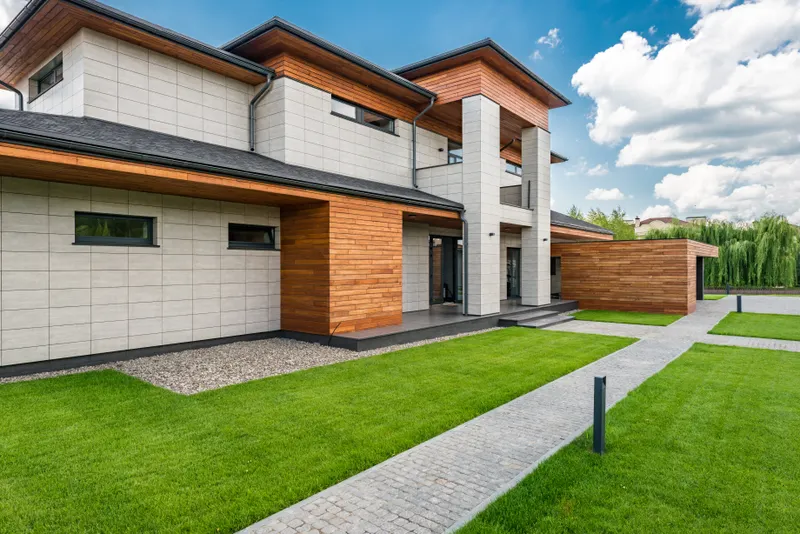
Curved paths through a garden bed, a side-yard run between fences, or a stepping-stone-style layout with exposed-aggregate or paver-pattern texture get laid out to follow the yard rather than a straight line, which means more hand-forming and edge work than a straight front walk. The crews we coordinate with grade each section individually so water sheds off the path instead of pooling at a low point mid-run — a common failure point on a curved layout cut into sloped yards.
ADA-Compliant Public Sidewalks & Curb-and-Gutter
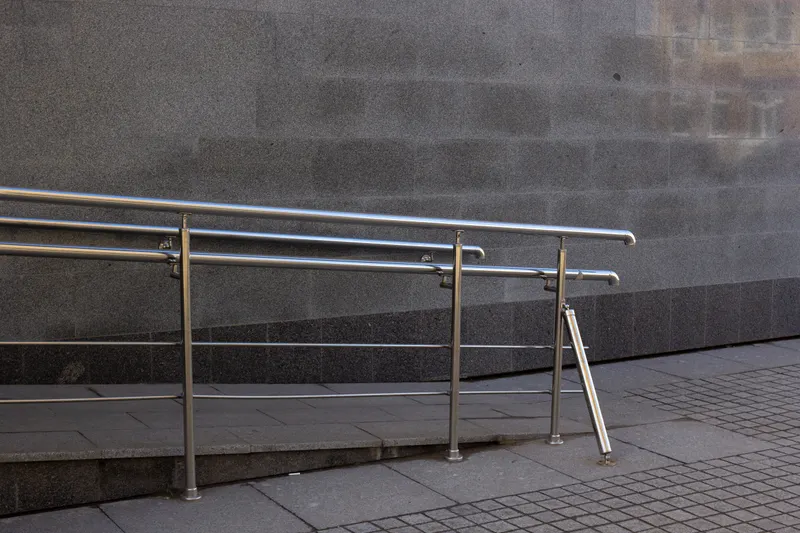
Sidewalk sections in the public right-of-way, and the curb-and-gutter work that often accompanies them, get built to the ADA Standards for Accessible Design — running slope, cross-slope, and width tolerances that a standard residential walk isn't held to. This scope covers new sidewalk sections, sidewalk replacement tied to a permit, and curb-and-gutter repair or new installation where a driveway approach or drainage swale meets the street.
The Benefits
Sidewalk & Walkway Benefits for North Fort Worth Properties
A walkway built with grading planned first, not poured flat and hoped for, is what keeps a path from becoming the trip hazard a homeowner or a city inspector flags a year later.
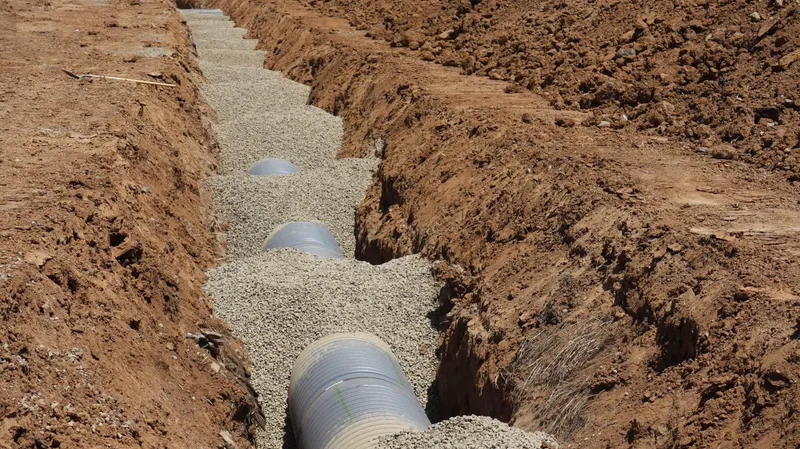
Drainage-First Grading Stops Trip Hazards
Most walkway trip hazards trace back to one thing: water sitting against or under the slab because nobody graded the run before pouring it. The crews we coordinate with grade every walkway to shed water off to the side before forms go in, which matters more on a narrow, unreinforced walkway than it does on a thicker driveway slab that carries more mass to resist the same clay movement.
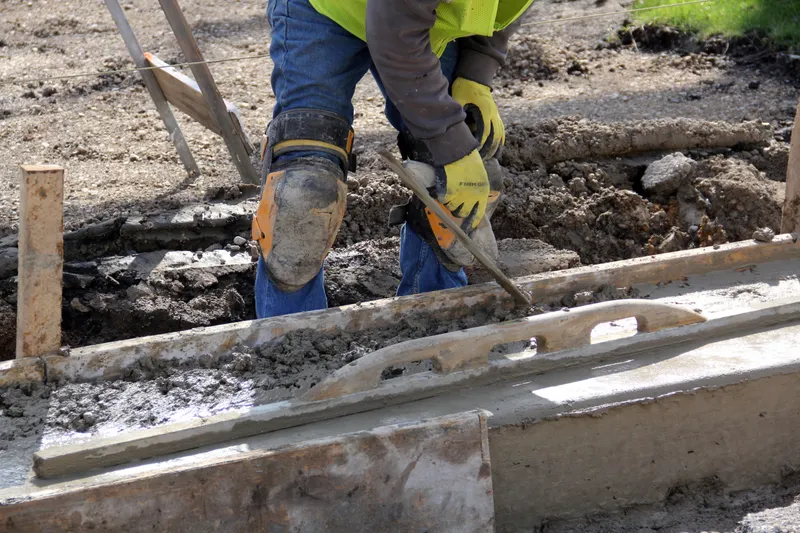
Curbs and Edges Built to Hold a Line
Curb-and-gutter work and walkway edges get hand-tooled while the concrete is still workable, which is what keeps an edge from spalling or chipping under a lawnmower wheel or a snow shovel within the first year. It's a small detail on a small job, and it's the kind of detail that separates a walkway that still looks sharp at year five from one that already looks patched.
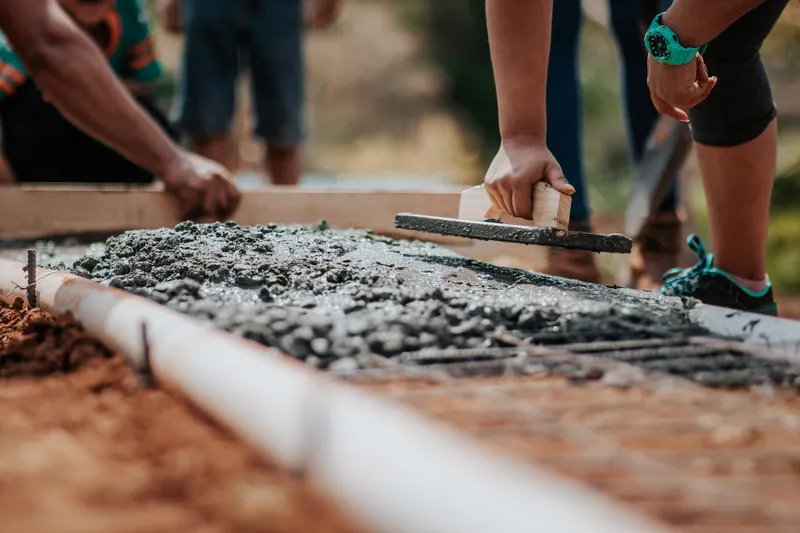
ADA Compliance Without a Second Trip
A public sidewalk section poured outside ADA slope tolerances gets flagged and has to be torn out and repoured — a cost nobody wants to eat twice. Building to ADA Standards for Accessible Design from the first pour, on any section that fronts a public right-of-way, is standard practice for the crews we coordinate with, not an upcharge reserved for commercial jobs.
Why Us
Why Fort Worth Property Owners Choose Us for Sidewalks & Walkways
A walkway is a small job with a long list of ways to get the grading wrong — fifteen years of coordinating concrete on Tarrant County clay means that list gets checked before a form ever goes down.
Grading Checked Before Forms Go Down
The crews we coordinate with walk the site and confirm where water needs to shed before setting a single form, because a walkway poured flat on ungraded ground is the single most common reason a new path develops a low spot within a year or two. That step happens on every walkway, garden path, and public sidewalk section quoted — not just the ones a homeowner specifically asks about.
Right-of-Way and ADA Rules Handled Up Front
Haltom City, North Richland Hills, and Watauga each handle public sidewalk and curb permitting through their own building department, and a public-facing section has to meet ADA slope and width tolerances a private walk doesn't. We confirm which rules apply to a given job — residential path versus right-of-way frontage — before a crew is scheduled, so it's settled before work starts, not discovered mid-pour.
Transparent Quotes Before Any Grading Starts
Every walkway is quoted free and in writing after an on-site look at the run, the grade, and the finish, before a crew gets booked. If the site visit turns up more regrading than expected — a low spot that needs extra base material, for instance — that gets priced into the written quote up front instead of showing up as an add-on after the concrete's already down.
Looking for the driveway itself rather than the walk beside it? Concrete driveways covers new pours, widening, and removal-and-replacement for the surface your vehicles sit on. If your project is an outdoor living slab instead of a connecting path, concrete patios covers backyard and side-yard leisure spaces. Front steps or a porch landing tying into a new walkway fall under concrete steps & stairs, and a full slab replacement where the walkway's old base has failed is covered on concrete removal & replacement. For every service coordinated across Haltom City, North Richland Hills, and Watauga, see our services, or head back to the home page to get a free quote started.
Frequently Asked Questions
How much does a concrete sidewalk or walkway cost in Fort Worth?
A concrete sidewalk or walkway typically runs $6 to $14 per square foot installed, which is a narrower band than a driveway because there's no vehicle-load reinforcement to account for, but a wider band than a flat plain slab because of the hand-forming and edge work walkways often need. A standard 3-foot-wide, 40-foot front walk runs roughly 120 square feet, putting most residential jobs in the $720 to $1,700 range before any regrading or demolition. Curved garden paths and ADA-compliant public sections cost more per square foot than a straight residential run because of the extra layout and grading precision involved. We quote every walkway free and in writing after seeing the site, not over the phone.
How is a walkway different from a driveway or a patio?
A walkway is built to carry foot traffic only, which means it's poured thinner, narrower, and without the rebar or vehicle-load reinforcement a driveway needs to resist a parked car's point loads. A patio is a leisure slab sized and finished for sitting outside on, often tied to an outdoor living space, while a walkway is a connecting run between two points — a door, a gate, a street. If your project is a place to park, see our concrete driveways page; if it's a place to sit, see our concrete patios page; a walkway is specifically the path between them.
How long before I can walk on a new concrete walkway?
New concrete supports light foot traffic in about 24 to 48 hours, which is faster than the roughly 7-day wait a driveway needs before vehicle traffic, since a walkway never has to carry the load a parked car does. Full design strength is still reached around 28 days, which is also the earliest point a decorative or exposed-aggregate finish should be sealed. The crews we coordinate with will tell you the exact date based on your pour and the weather, not a generic guess.
Why do walkways crack or develop trip hazards on Fort Worth's soil?
North Fort Worth sits on expansive black gumbo clay weathered from the Eagle Ford and Woodbine formations, and that clay swells wet and shrinks hard through a dry Texas summer. A narrow walkway has less mass than a driveway to resist that seasonal movement, so a section poured on ungraded, uncompacted ground is more likely to tip or lift at a joint than a thicker slab would be. The fix isn't a thicker walkway — it's grading the subgrade to shed water away from the path before the pour, plus a properly compacted base and correctly spaced control joints, so the slab moves with the clay instead of against it.
Do public sidewalks in Fort Worth have to meet ADA requirements?
Yes — any sidewalk section in the public right-of-way, including new construction and full-section replacement, is generally held to ADA Standards for Accessible Design covering running slope, cross-slope, and minimum width, which a private residential walk isn't required to meet. Haltom City, North Richland Hills, and Watauga each handle sidewalk and curb permitting through their own building department rather than routing through Tarrant County, and requirements can shift depending on whether the section fronts a city street or a county road. We confirm which standard applies — private walk versus public frontage — before quoting the job.
Can you tie a new walkway into my existing porch, steps, or driveway?
Yes — a new walkway section typically ties into an existing porch slab, step landing, or driveway edge with a doweled or keyed joint, so the new concrete moves with the existing structure rather than separating from it as the clay subgrade shifts seasonally. Where the existing edge is too cracked, undermined, or out of grade to tie into cleanly, the crews we coordinate with will recommend replacing that section instead of building a mismatched joint into the new path. Either way, the tie-in point gets evaluated during the on-site quote, not assumed from a photo.
What's involved in curb-and-gutter work?
Curb-and-gutter covers the poured concrete edge that channels water off a street, driveway approach, or parking area, along with the shallow gutter section that carries it to a drain or swale — work that's often paired with a sidewalk or driveway-approach project rather than standing alone. It's built to a specific slope so water actually moves instead of pooling against the curb face, which is a common failure point when an older curb has settled unevenly on expansive clay. Repair or replacement scope is quoted separately from a walkway itself, since the forming and jointing requirements differ from flat sidewalk sections.
How thick should a residential walkway be?
Most residential walkways are poured 3 to 4 inches thick, thinner than the roughly 4-inch-or-more standard for a driveway that has to carry vehicle loads, since a walkway only needs to support foot traffic. A compacted gravel base underneath matters more than extra slab thickness for a walkway's long-term flatness, particularly on expansive clay where subgrade movement — not surface wear — is the usual cause of an uneven path. The crews we coordinate with specify thickness and base depth based on the subgrade condition found during excavation, not a one-size answer.
Do walkways need rebar or wire mesh?
Most residential walkways get either welded wire mesh or fiber-reinforced concrete rather than the rebar mat a driveway typically needs, since a walkway doesn't carry the concentrated point loads a parked vehicle does. Reinforcement in a walkway is mainly there to hold a shrinkage crack together rather than let a section lift or separate, the same role it plays in a driveway just at a lighter spec. Public sidewalk sections tied to city permitting sometimes carry a specific reinforcement requirement in the approval, which we confirm before pouring.
What's the best way to handle a garden path that curves or crosses a slope?
A curved garden path or one that crosses a sloped side yard gets graded and formed section by section rather than as one continuous straight pour, so each segment sheds water toward the low side instead of trapping it mid-run at a bend. Exposed-aggregate or paver-pattern finishes are common choices for garden paths since the smaller visual scale of a curved walkway shows off texture and color better than a plain broom finish does. The layout gets walked and staked on-site before any forming starts, since a garden path's route often has to work around existing beds, trees, or irrigation lines.
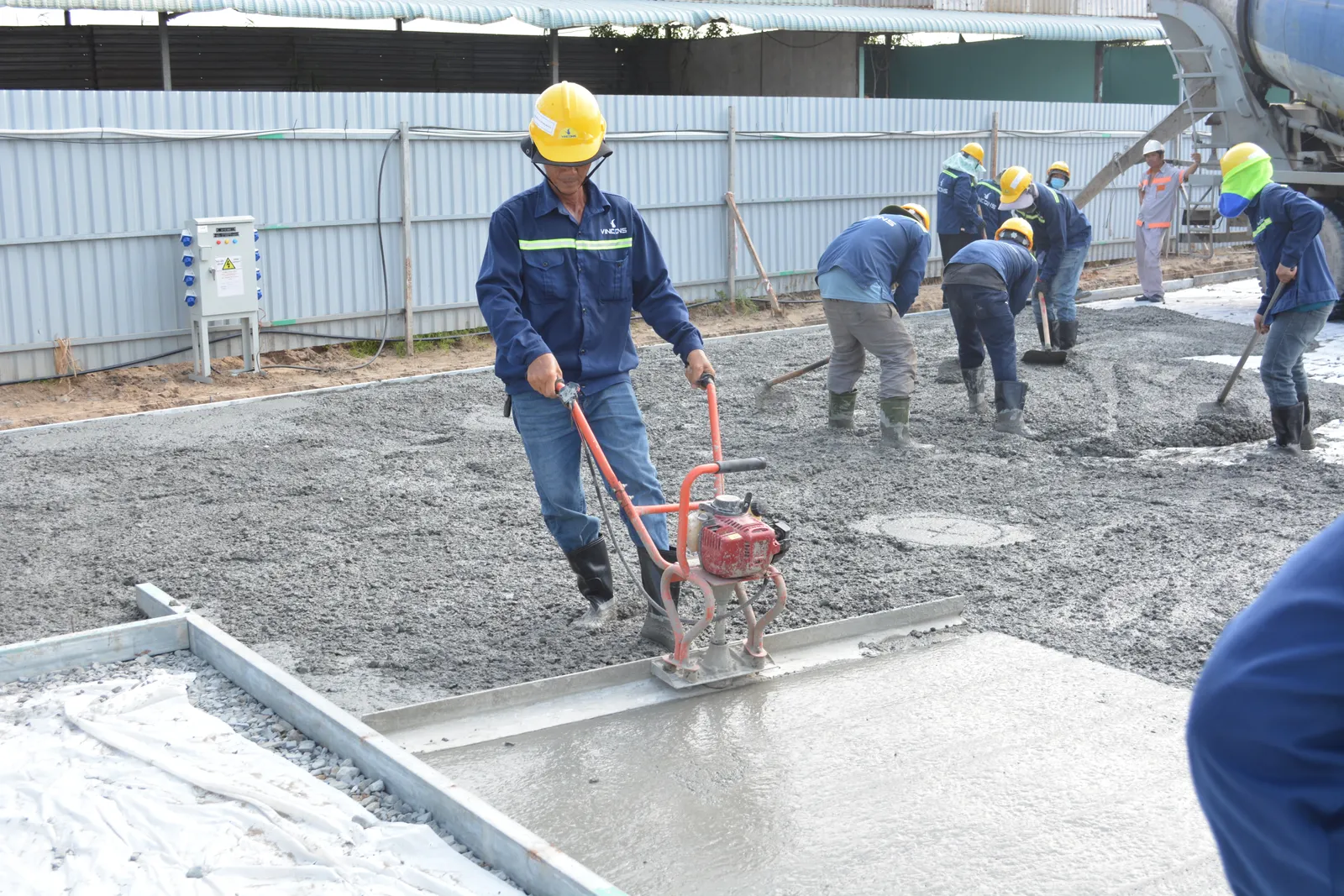
Get Your Sidewalk or Walkway Quoted
Front walks, garden paths, and ADA-compliant public sidewalks — call (817) 710-2599, open 24 hours a day.
(817) 710-2599