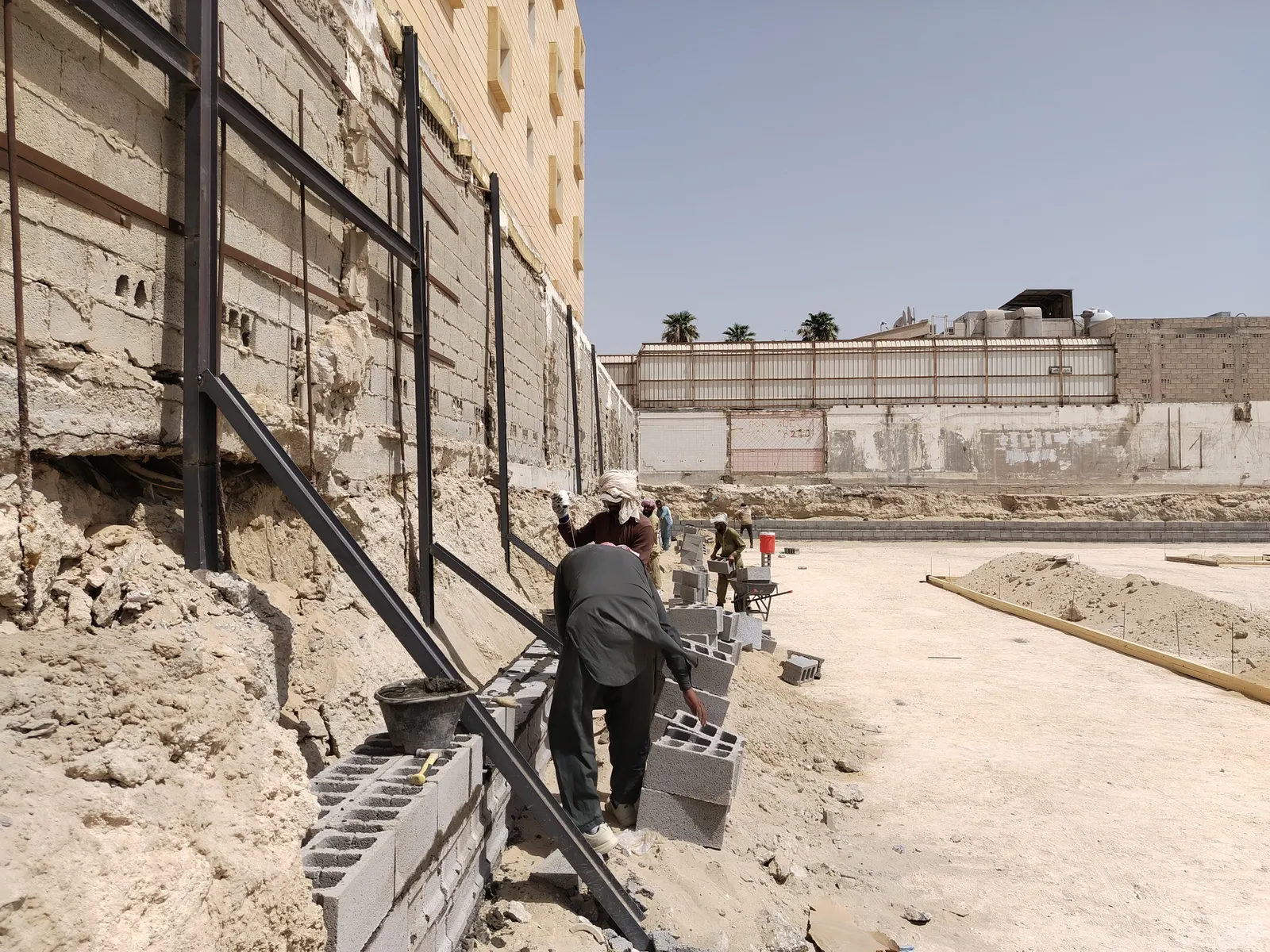
Concrete · Fort Worth, TX
Foundation Repair in Fort Worth, TX
**Concrete & Paving North Fort Worth** has coordinated 15 years of foundation repair across Haltom City, North Richland Hills, Watauga, Keller and the wider Fort Worth metro — crack injection, drilled-pier underpinning, and slab leveling for homes that have started to move. Call (817) 710-2599 and we're Open 24 Hours, with every repair quoted free and in writing after an on-site assessment.
The reason so many North Fort Worth homes need this work traces to what's underneath them: a high-plasticity "black gumbo" clay weathered out of the Cretaceous Eagle Ford and Woodbine formations, often running 50% or more clay content by volume. That clay swells hard when it rains and shrinks just as hard through a dry Texas summer, moving the ground several inches seasonally — and the American Society of Civil Engineers estimates roughly one in four U.S. homes carries some damage from expansive soils like it, a bigger annual cost nationally than earthquakes, floods, hurricanes, and tornadoes combined.
The crews we coordinate diagnose the cause of movement first — soil, drainage, or a plumbing leak under the slab — before recommending a repair, with engineered repair plans brought in where the scope calls for it. Every job is quoted free and in writing after we've actually looked at what's moving, not estimated over the phone.
If you're watching a door start to stick, a stair-step crack open up in the brick, or a floor develop a noticeable slope, the goal is matching the repair method to what's actually causing the movement underneath your house — not selling a generic pier count that happens to fit every foundation the same way.
What We Do
Our Foundation Repair Services in North Fort Worth
Foundation problems here fall into three categories: cracked or settled concrete, a foundation that's actually lost bearing and needs lifting, and the drainage issue that's driving the clay movement in the first place.
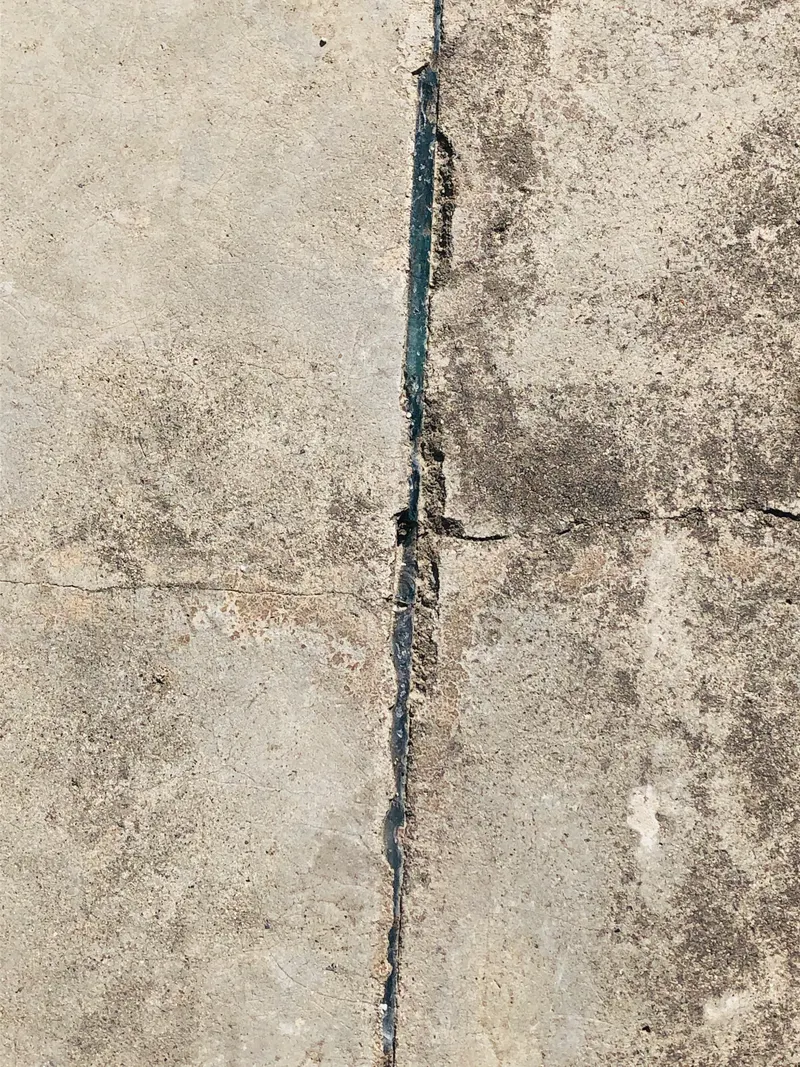
Foundation Crack Repair & Slab Leveling
Hairline cracks under about a quarter-inch usually just need routing and a flexible sealant to keep water out of the reactive clay below. Cracks wider than that, or ones running stair-step through brick, get epoxy or polyurethane injected under pressure to actually rebond the concrete rather than cap the surface.
Where a slab section has settled but stayed intact, mudjacking or polyurethane foam fills the void underneath and raises it back to grade — a fraction of the cost of a full foundation repair when the movement hasn't gone structural yet.
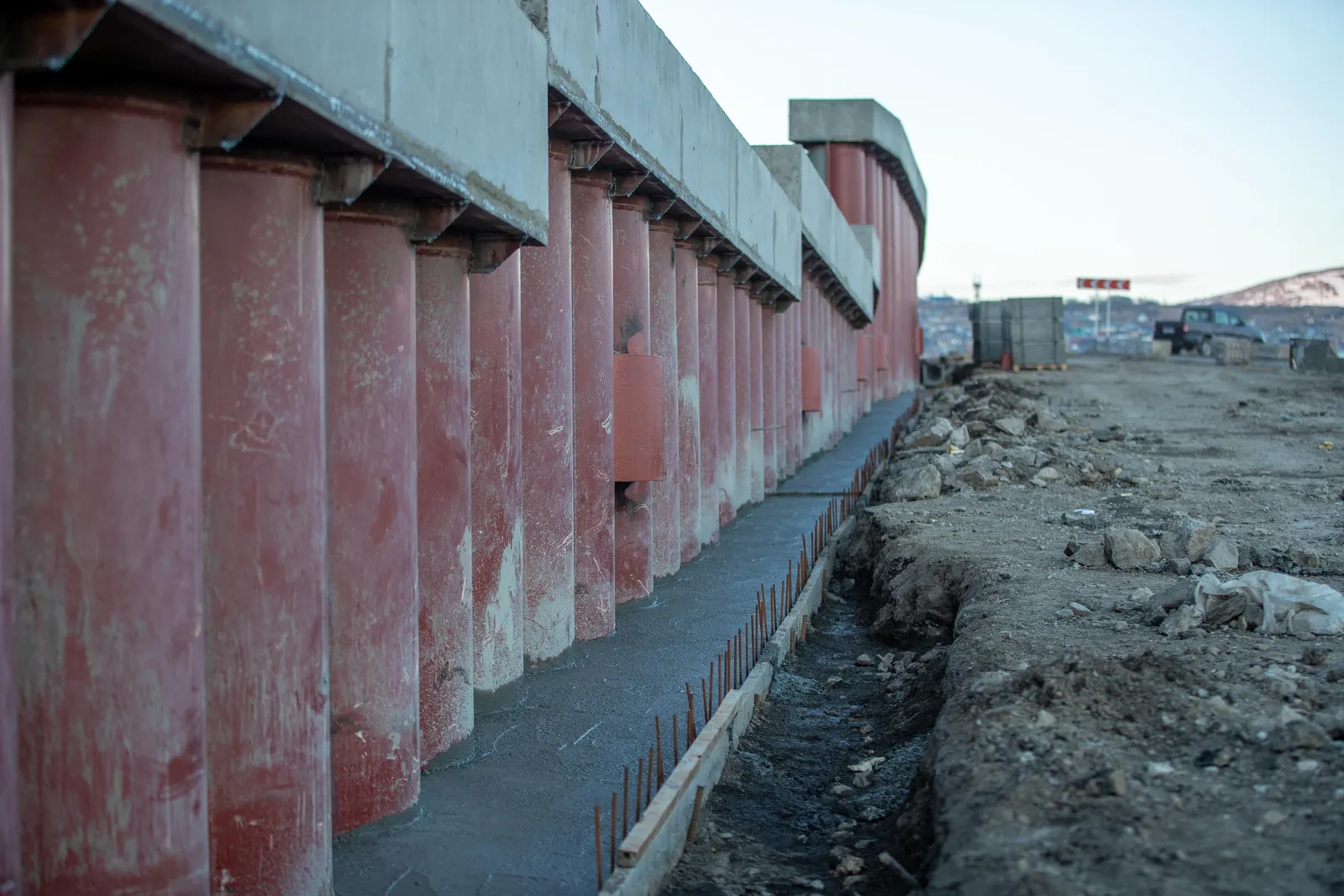
Drilled Concrete Pier Underpinning
When a slab or pier-and-beam foundation has genuinely lost bearing, drilled or pressed concrete piers — sometimes steel — go down past the seasonal moisture-active zone to stable soil that isn't cycling with every wet-dry season. Interior piers handle a sunken center span; perimeter piers correct settlement at the foundation edge.
Each pier is set to reach depth and load capacity before the slab is lifted and shimmed level, restoring the original grade rather than just stopping further movement.
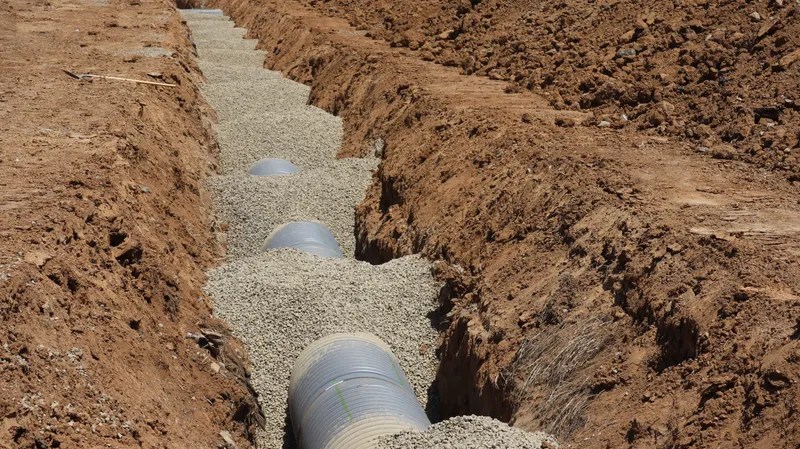
Foundation Drainage & Grading Correction
Uneven or trapped moisture around a foundation is what actually drives the clay's shrink-swell cycle, so a repair that ignores drainage often has to be redone. French drains, regrading the soil to slope away from the slab, and extending downspouts keep water from pooling against one side of the house while the other side dries and shrinks.
We'll also flag root systems and irrigation habits pulling moisture unevenly out from under a slab, since that imbalance is a common, fixable cause of one-sided settlement.
The Benefits
Foundation Repair Benefits for North Fort Worth Homes
Foundation movement doesn't announce itself all at once — it shows up as a sticking door, then a hairline crack, then a slope you can feel in your socks.
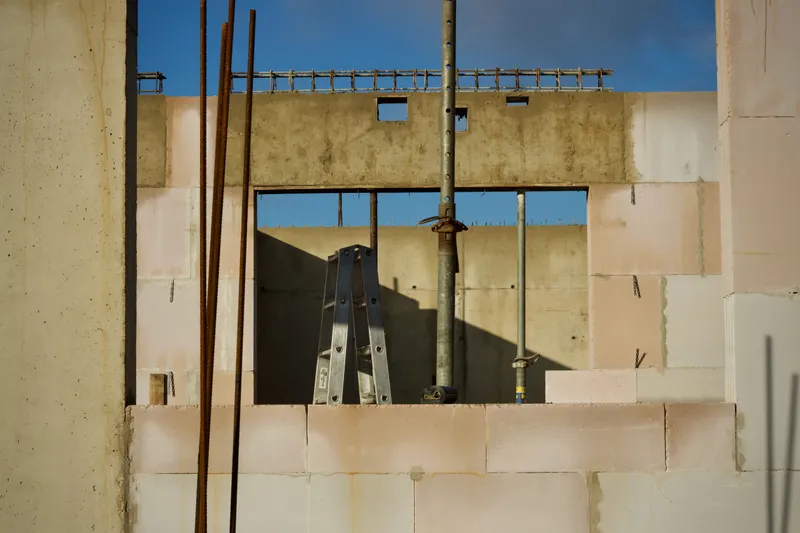
Stops Movement Before It Cascades
A foundation caught early — a single crack, one sticking door — is a small, targeted repair. Left alone, that same movement telegraphs into cracked brick veneer, separated trim, and doors and windows that no longer close square, all of which cost more to fix than the original foundation issue would have. Shoring and stabilizing the affected section early is almost always the cheaper path, and it stops the damage from spreading into finishes that are far more expensive to redo than concrete.
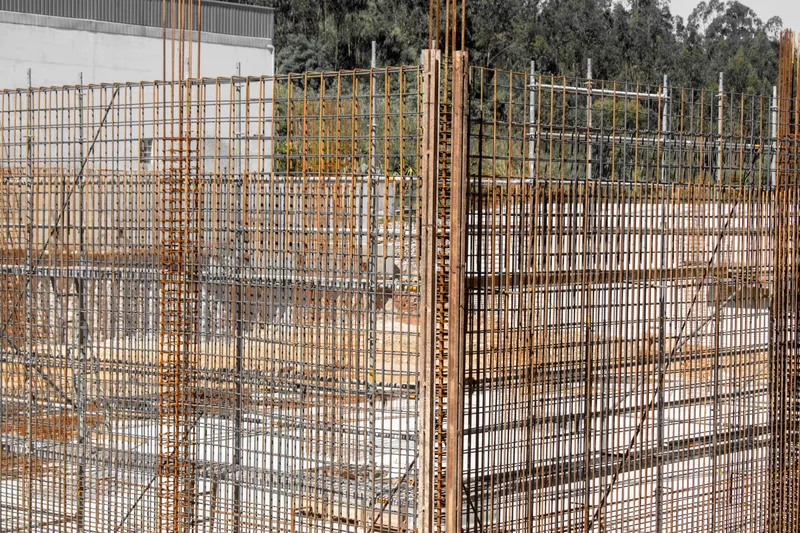
Engineered for Expansive Clay, Not Just Patched
About 250,000 new homes are built on expansive soils nationally each year, and while roughly 60% see only minor damage over their lifespan, close to 10% see significant damage — some beyond simple repair. Piers driven below the moisture-active zone plus drainage correction address the actual cause, shrink-swell clay movement, instead of just filling a crack and hoping the ground underneath behaves differently next season.
A Restored, Even Load Path
A properly underpinned and leveled foundation carries the structure's weight evenly again instead of concentrating stress at whatever corner has settled the most. That matters for resale — an uneven foundation is one of the first things a buyer's inspector flags — and it stops the slow progression where one settled corner keeps stressing the framing, drywall, and brick tied to it every season the clay cycles.
Why Us
Why North Fort Worth Homeowners Choose Us for Foundation Repair
Fifteen years reading which blocks move first, and a process that diagnoses before it quotes.
Diagnose-First, Not Pier-First
The crews we coordinate identify why a foundation is moving — soil, drainage, or a plumbing leak under the slab — before quoting a repair. That order matters: a leak-driven settlement fixed with piers alone comes back, and a drainage issue treated as a structural one gets you paying for piers you didn't need.
We Track Which Local Blocks Move Fastest
Haltom City's 1950s-70s postwar core, Watauga's nearly built-out 1970s-90s subdivisions, and North Richland Hills' 1970s-2000s build-out all sit on the same reactive clay but on different-aged slabs — and each city, Haltom City, North Richland Hills, and Watauga, runs its own building and permitting department, so foundation repairs can require a permit and, at scope, an engineer's letter. We confirm what applies before a crew shows up.
Free Written Quotes, Engineering Included Up Front
Every repair is quoted free and in writing after an on-site assessment, and where the scope calls for it, an engineered repair plan and inspection are arranged and built into that number from the start — never billed as a surprise once the piers are already in the ground.
Foundation repair on this soil is a different job from pouring a new one — if you're planning a new slab, garage, or shop pad rather than fixing an existing foundation, our concrete slabs & foundations page covers new pours engineered for the same clay. For surface cracking or a sunken patio or driveway section that isn't a structural foundation issue, concrete repair covers that lighter-scope work. Watauga's housing stock is a useful example of why this matters at scale: at roughly 23,650 residents packed into just 4.16 square miles, nearly the entire city was built out between the 1970s and 1990s, which means nearly every slab foundation under it is aging on the same clay at the same time. See the full services lineup for everything else the crews we coordinate handle, or call (817) 710-2599 — we're open 24 hours and every foundation assessment comes with a free written quote.
Frequently Asked Questions
How much does foundation repair cost in Fort Worth?
Foundation repair cost here is driven mainly by how many piers a repair needs, whether the foundation is a slab or pier-and-beam, and how easy the crew can access the affected area — a backyard pier run behind a fence and mature landscaping costs more to reach than a straightforward front-yard section. A single-crack or slab-leveling job on one corner is a far smaller scope than a full perimeter underpinning on a foundation that's lost bearing across multiple sides. We inspect the actual movement before quoting anything, and every number comes back free and in writing so you're pricing your specific repair, not a generic estimate.
What are the signs I need foundation repair?
The most common early signs in North Fort Worth are doors and windows that stick or won't latch square, stair-step cracks opening up through mortar joints in brick veneer, a floor that slopes or feels bouncy underfoot, and gaps opening between trim, baseboards, or where the wall meets the ceiling. Cracks wider than about a quarter-inch, especially ones that keep reopening after being patched, usually indicate the movement is still active rather than settled. Any one of these on its own is worth a look; two or three appearing together, particularly on the same side of the house, is a stronger signal the foundation itself has started to move.
Why do foundations fail in North Fort Worth and Tarrant County?
Tarrant County sits on high-plasticity "black gumbo" clay, weathered from the Cretaceous Eagle Ford and Woodbine formations, that regularly tests above 50% clay content by volume. That clay swells significantly when saturated by rain and shrinks hard during the long dry stretch of a Texas summer, and that seasonal cycle moves the ground several inches under a house every year. The American Society of Civil Engineers estimates roughly one in four U.S. homes carries some damage from expansive soils like this, and it's a bigger annual financial hit nationally than earthquakes, floods, hurricanes, and tornadoes combined.
What's the difference between slab and pier-and-beam foundation repair?
A slab foundation is a single poured concrete pad the house sits directly on, so repair usually means piers driven under the slab itself to lift and support it, plus crack injection or leveling at the surface. A pier-and-beam foundation raises the house on beams supported by piers with a crawlspace underneath, so repair often means adding or adjusting piers under the beams and correcting beam-to-pier contact rather than working through a poured slab. Pier-and-beam foundations are also easier to inspect and access from the crawlspace, which can make diagnosing the exact cause of movement faster than on a slab where everything is hidden underneath the concrete.
How do drilled concrete piers work, and how deep do they go?
Drilled or pressed concrete piers — sometimes steel — are installed down through the active soil layer to reach stable bearing soil below the zone where seasonal moisture swings actually move the clay. That target depth varies by site, since the moisture-active zone's depth depends on local soil conditions and drainage, which is part of what an on-site assessment establishes before piers are placed. Once a pier reaches adequate bearing capacity, hydraulic jacks lift the settled slab or beam back toward its original grade before the pier is locked off and the load transferred onto it permanently.
What is slab leveling or mudjacking, and when is it enough instead of piers?
Slab leveling, whether by traditional mudjacking (pumping a cement-based grout under the slab) or polyurethane foam injection, raises a settled but still structurally intact slab section back to grade by filling the void that let it sink. It's typically enough when a section has settled evenly without the wider structural cracking or continued active movement that signals the foundation has lost real bearing capacity. Once a foundation shows ongoing movement, multiple cracked sections, or a beam that's pulled away from its piers, leveling alone won't hold and drilled pier underpinning becomes the appropriate fix instead. We determine which category a given foundation falls into during the on-site assessment, not by default.
Do I need a permit or an engineer's report for foundation repair in Haltom City, North Richland Hills, or Watauga?
Haltom City, North Richland Hills, and Watauga each run their own building and permitting department rather than routing through Tarrant County, and foundation repair work — particularly pier installation — commonly requires a permit in all three, with unincorporated pockets nearby falling under the county instead. At larger scopes, an engineer's letter or inspection is often required to document the repair plan and, afterward, that the work meets it. We confirm exactly what applies to your address and repair scope before a crew is scheduled, and where an engineer's assessment is called for, that gets arranged and built into the written quote up front.
Can drainage really cause foundation problems, and does fixing it help?
Yes — uneven or trapped moisture around a foundation is one of the most common drivers of the clay movement that causes cracking and settlement in the first place, since one side of a house drying out and shrinking while the other stays saturated pulls the slab or beams unevenly. French drains, regrading soil to slope away from the foundation, and extending downspouts away from the slab all help keep moisture levels more consistent around the perimeter year-round. Correcting drainage doesn't undo existing structural damage on its own, but skipping it after a pier or crack repair often means the same movement returns within a season or two.
How long does a foundation repair take?
A typical pier job in North Fort Worth runs about 1 to 3 days depending on how many piers the repair needs and how accessible the site is — a straightforward run of perimeter piers with clear equipment access moves faster than interior piers requiring access through a home's interior or tight backyard clearance. Crack injection and slab leveling are usually faster, often completed in a matter of hours to a single day per section. Drainage correction work like French drains or regrading adds time depending on the length of run and how much excavation is involved, and we lay out realistic timing for your specific scope at the on-site assessment.
Will foundation cracks come back after repair?
A repair that addresses the actual cause — piers set below the seasonal moisture-active zone, combined with drainage correction where moisture imbalance contributed to the movement — is built to hold rather than just cap the visible symptom. A crack that's only sealed or patched without correcting what's driving the movement underneath it, particularly if drainage or an active plumbing leak goes unaddressed, has a real chance of reopening once the clay cycles through another wet-dry season. That's why the crews we coordinate diagnose the cause before quoting the fix rather than defaulting straight to the most visible repair.
Is foundation movement covered by homeowners insurance, and how urgent is it?
Standard homeowners insurance in Texas typically excludes damage from earth movement and settling, including the shrink-swell clay movement common across Tarrant County. That means most foundation repairs here are paid out of pocket rather than through a claim, though it's always worth confirming the specifics against your own policy, since exclusions and endorsements vary by carrier. Urgency depends on what's actually showing: a single hairline crack that isn't widening can usually wait for a scheduled assessment. Stair-step brick cracks, a rapidly sloping floor, or doors that have gone from sticking to no longer closing signal active movement, and those are worth having looked at sooner rather than later, since the repair scope tends to grow the longer settlement continues unaddressed.
Get a Free Written Quote on Your Foundation Repair
Crack repair, pier underpinning, and drainage correction across North Fort Worth. Call (817) 710-2599 — open 24 hours.
(817) 710-2599