Concrete · Fort Worth, TX
Concrete Removal & Replacement in Fort Worth, TX
**Concrete & Paving North Fort Worth** coordinates concrete demolition, haul-off, and full repours across Haltom City, North Richland Hills, Watauga, Keller, and the wider Fort Worth metro — 15 years scheduling tear-out-and-replace jobs, calls answered 24 hours a day. When a driveway, patio, or slab has failed at the base instead of just the surface, breaking it out, correcting what caused the failure, and pouring new reinforced concrete in one mobilization is the fix. Call (817) 710-2599 for a free, written scope.
Not every damaged slab needs to come out. If your concrete has a tight crack, a section of surface spalling, or one corner that's settled but otherwise intact, our concrete repair & resurfacing page covers injection, resurfacing, and mudjacking — all of it cheaper and faster than a tear-out. This page is for the other kind of failure: concrete that's cracked into multiple large pieces, heaved unevenly across most of its surface, or sitting on a subgrade that's already given out underneath it.
A removal-and-replace job runs $3 to $8 per square foot for demolition and haul-off on top of the $6 to $15 per square foot a new pour costs, and most residential jobs — a driveway, patio, or walkway section — take 3 to 7 days start to finish including cure time. Every job is quoted free and in writing after an on-site look at the slab, the access for equipment, and what's likely happening underneath it.
When North Fort Worth homeowners choose full removal over another round of patching, they're choosing to fix the subgrade that caused the failure in the first place — so the new slab doesn't crack the same way in two more years.
What We Do
Our Concrete Removal & Replacement Services in Fort Worth
Removal isn't just breaking concrete apart — it's breakout method, disposal, and subgrade correction, each matched to what's actually failed underneath the slab. Here's how the crews we coordinate with scope it.
Breakout: Jackhammer, Skid-Steer Breaker & Saw-Cutting
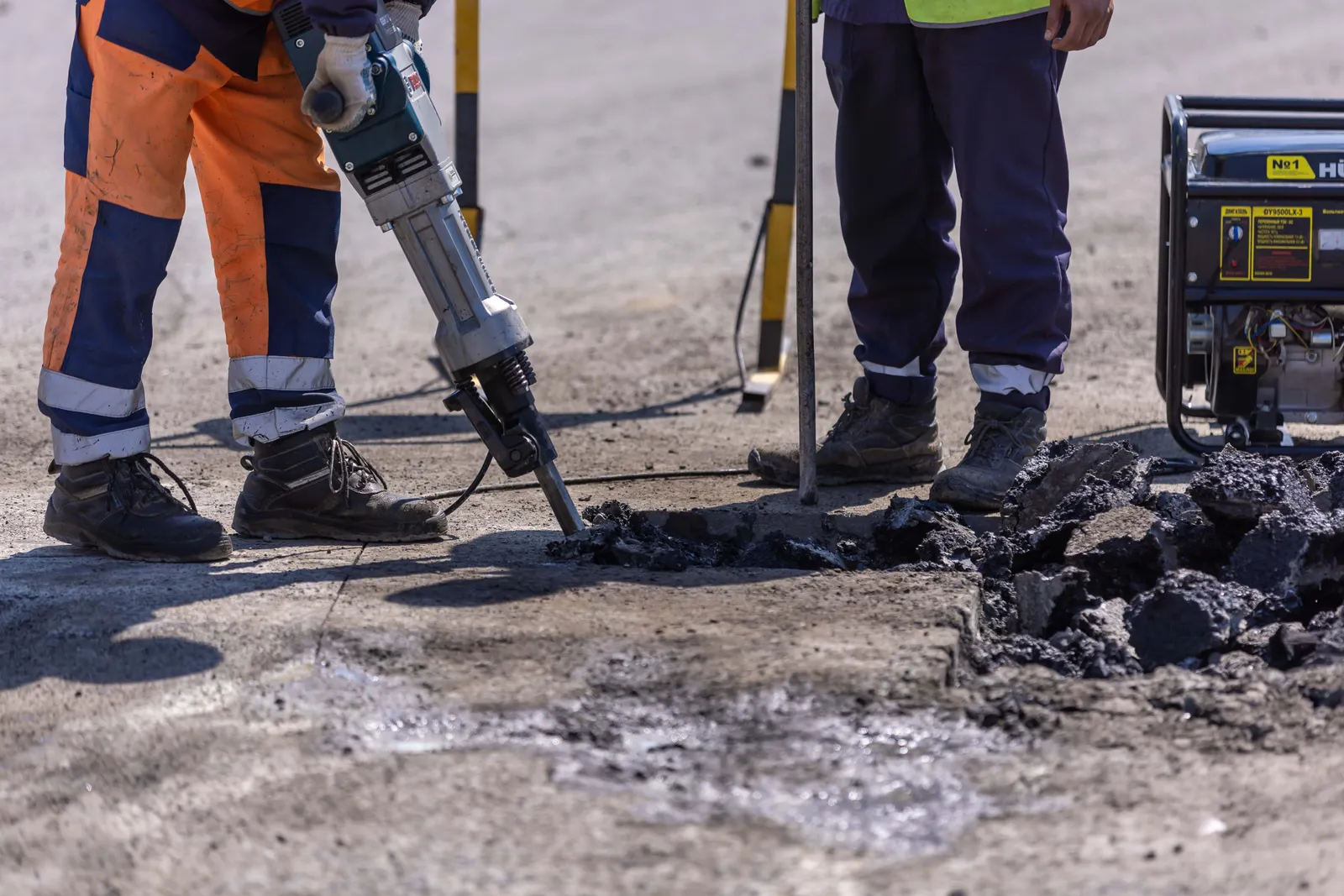
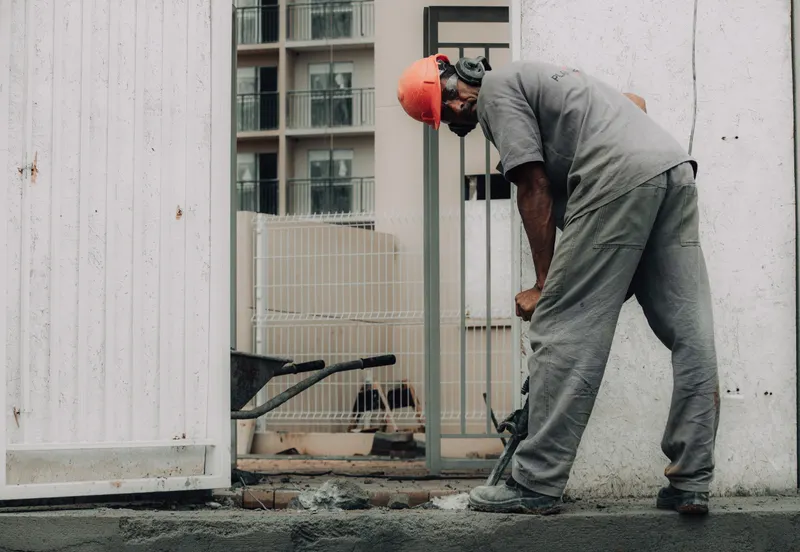
A full driveway or patio tear-out typically runs a skid-steer-mounted hydraulic breaker to knock the slab into manageable sections fast, with a hand-held jackhammer for tight corners, against walls, or anywhere equipment can't reach. When only part of a slab needs to come out — a damaged section next to a garage apron, for example — the crews we coordinate with saw-cut a clean control line first, so the remaining concrete keeps a straight edge to tie the new pour into instead of a ragged break.
Haul-Off, Disposal & Recycling
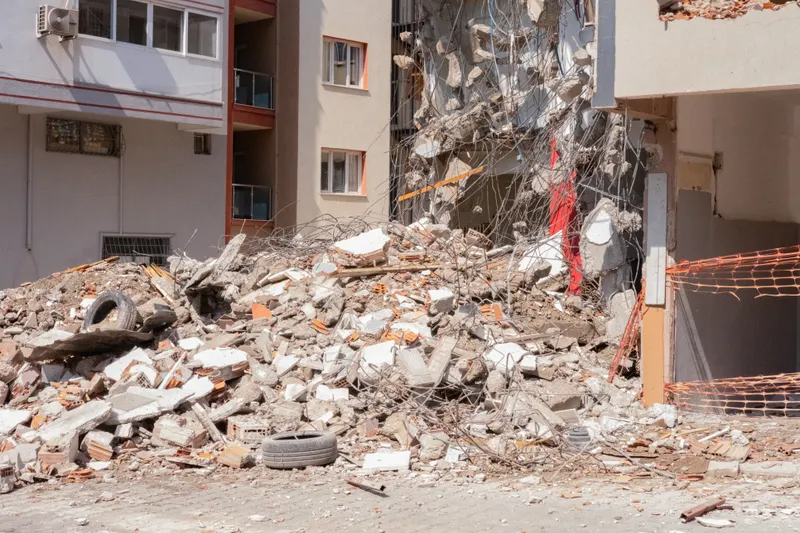
Broken concrete gets loaded and hauled off the same visit, priced by tonnage and slab thickness rather than a flat guess — a thicker reinforced driveway slab weighs more per square foot than a thin patio pour, and that difference shows up in the disposal line of the quote. Concrete is fully recyclable: crushed and processed, it becomes aggregate base material for new roadwork and flatwork, so demolished slabs from this area routinely go back into the ground under someone else's project instead of a landfill.
Subgrade Correction Before the Repour
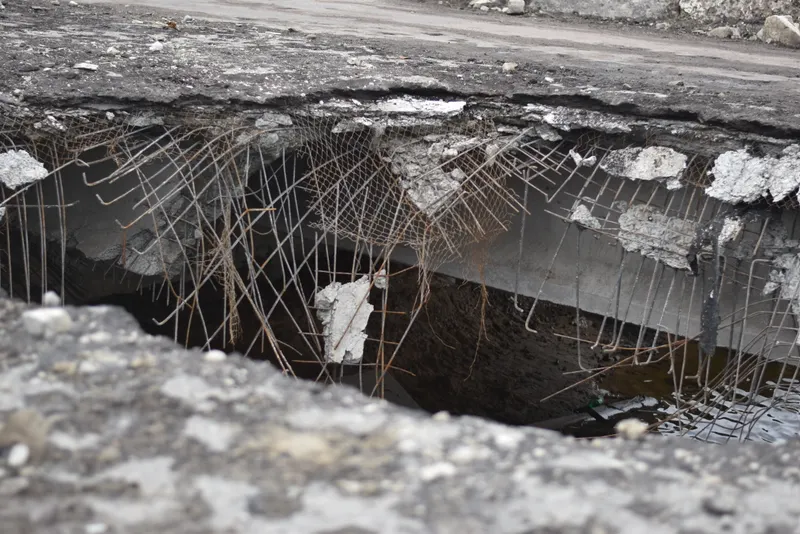
Once the old slab is out, the subgrade underneath gets inspected, not assumed — soft spots, organic material, or clay that's already moved get excavated and corrected before a compacted gravel base goes back down. Repouring straight over the same bad base that failed the first slab is the single most common reason a replacement driveway cracks again inside a couple of years, and it's the step a tear-out-only crew skips when they're not the ones pouring the new concrete.
The Benefits
Why Full Removal Beats Another Patch on North Fort Worth Clay
Tarrant County's expansive clay doesn't stop moving because a slab got patched — replacing a failed base is the only fix that addresses what's actually causing the damage.
Fixes the Cause, Not Just the Crack
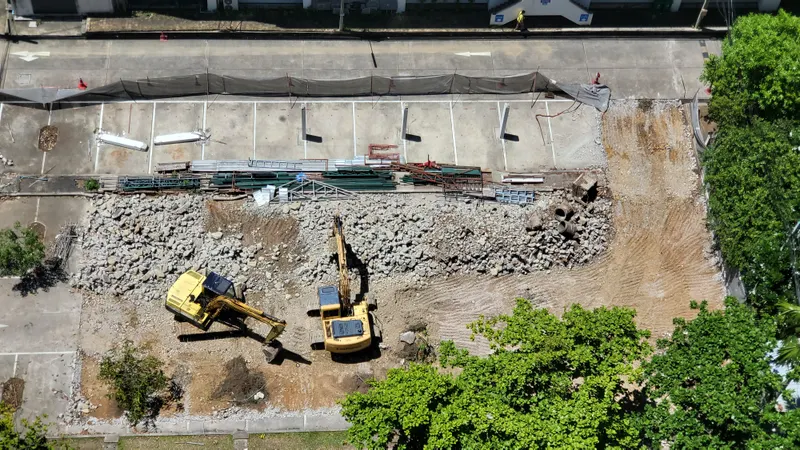
North Fort Worth's high-plasticity 'black gumbo' clay, weathered from the Eagle Ford and Woodbine formations, frequently runs over 50 percent clay content and swells wet, shrinks hard through a dry summer. A slab that's failed at the base has already lost the fight against that movement — resurfacing or patching over it just delays the next crack, while excavating and correcting the subgrade before repouring gives the new slab a base actually built to handle the swing.
One Mobilization Instead of Two Visits
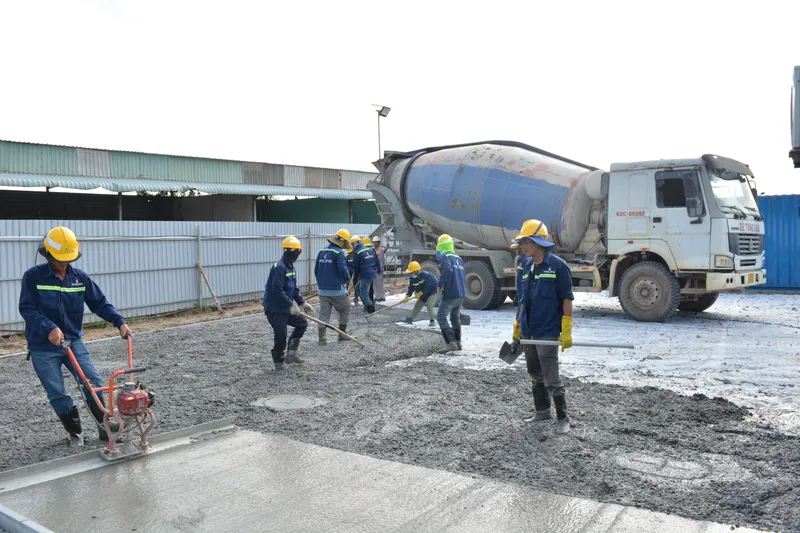
Scheduling demolition and the new pour as one job means one mobilization fee, one crew visit for site access and equipment setup, and one continuous project instead of a tear-out crew and a separate concrete crew coordinating around each other's schedules. That typically saves money over booking the two phases separately, and it keeps the property without a driveway or patio for a shorter total window.
A Straight Path to Replacing Instead of Chasing Repairs
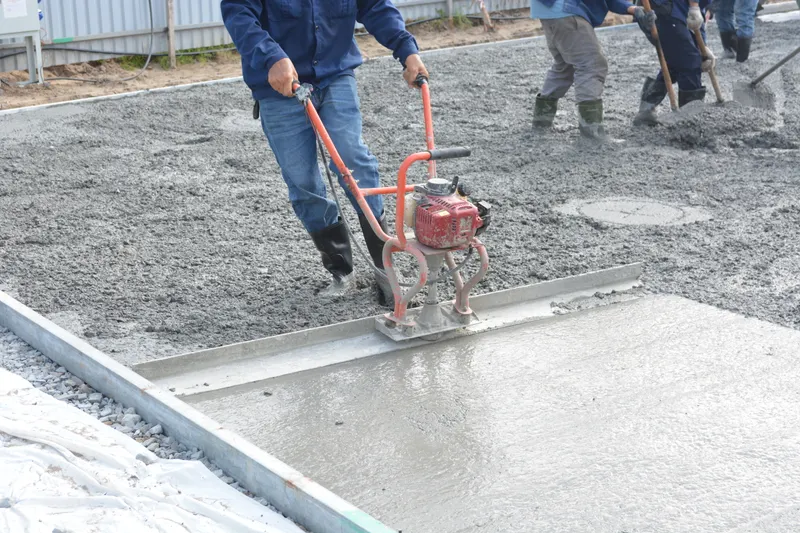
Once a slab is cracked into multiple large pieces or heaved across most of its surface, individual crack injections and patch jobs stop being the cheaper option — they're multiple repair bills chasing a base that's already failed. A single removal-and-repour project resets the clock with a properly prepped, reinforced slab instead of an aging patchwork of fixes on a subgrade nobody corrected.
Why Us
Why Fort Worth Homeowners Choose Us for Concrete Removal
Fifteen years of tearing out and repouring on Tarrant County's toughest soil means the subgrade gets fixed, not just covered over.
Demo and Repour From the Same Coordination
The crews we coordinate with handle breakout, haul-off, subgrade correction, and the new pour as one scheduled project rather than handing you off between a demolition contractor and a separate concrete crew. That keeps the base-correction step — the part that actually prevents the next failure — from falling through the cracks between two different companies.
An Honest Read on Replace vs. Repair, First
Every removal quote starts with an on-site inspection of how far the damage has actually gone, because recommending a full tear-out when a crack injection or a mudjacking job would fix a settled section isn't how repeat business gets built. If your slab qualifies for repair instead, we'll say so and point you to concrete repair & resurfacing.
Free Written Quotes, Priced Before Demo Starts
Removal and replacement is quoted free and in writing after seeing the slab, its access, and what the subgrade likely looks like underneath — before any breakout equipment shows up. If the subgrade turns out worse than expected once the old slab is out, you hear about it and approve the change before work continues, not after the invoice arrives.
If your slab still has some life in it, our concrete repair & resurfacing page covers crack injection, resurfacing, and mudjacking — the faster, cheaper fix for damage that hasn't gone all the way through. For a driveway coming out and going back in, concrete driveways covers the new-pour side of that same project, and concrete slabs covers full slab and foundation rebuilds. See our services for the complete lineup coordinated across Haltom City, North Richland Hills, and Watauga, or head back to the North Fort Worth concrete home page — and call (817) 710-2599, open 24 hours a day, for a free written scope on your removal.
Frequently Asked Questions
How do I know if my concrete needs removal instead of repair?
Removal generally makes sense once more than roughly a third of a slab shows widespread cracking, multiple sections have settled or heaved unevenly, or the concrete has cracked into several large pieces rather than a single line. Repair and resurfacing — covered on our concrete repair page — stay the better option when damage is limited to isolated cracks or one settled corner that's otherwise structurally sound, typically running $3 to $10 per square foot against $6 to $15 per square foot for a new pour. We inspect the slab and the likely subgrade condition on-site before recommending either path, because a tear-out quote on a repairable slab isn't an honest quote.
How much does concrete removal and replacement cost in Fort Worth?
Demolition and haul-off typically runs $3 to $8 per square foot on top of the $6 to $15 per square foot a new pour costs, so a full 400 to 800 square foot driveway replacement often lands between $3,600 and $18,400 depending on thickness, access, and how much subgrade correction the base needs. Disposal is priced by tonnage and slab thickness rather than a flat estimate, since a reinforced driveway slab weighs meaningfully more per square foot than a thin patio pour. We quote the whole job — demo, haul-off, base correction, and repour — as one free written number after seeing the site.
How long does a full concrete removal and repour take?
Most residential removal-and-replace jobs run 3 to 7 days start to finish, including breakout, haul-off, subgrade correction, the new pour, and the initial cure window before the area is usable again. Breakout and haul-off on a standard driveway or patio typically take a single day; subgrade correction adds time depending on how much bad base needs excavating and recompacting. The new concrete itself needs about 24 to 48 hours before foot traffic and roughly 7 days before vehicles can park on it, which is part of the total project window, not extra time on top of it.
What method do you use to break up old concrete?
Most driveway and patio tear-outs use a hydraulic breaker mounted on a skid-steer to knock the slab apart quickly, with a hand-held jackhammer for tight spots along a house, fence line, or anywhere equipment can't maneuver. When only a portion of a slab is coming out, the crews we coordinate with saw-cut a clean control line first so the section staying in place keeps a straight edge to tie the new concrete into, instead of a ragged, unplanned break. The method depends on access, how much concrete is coming out, and whether the job is a full or partial removal.
What happens to the old concrete after it's removed?
Concrete is fully recyclable — once it's broken up and hauled off, it typically gets crushed and processed into aggregate base material used under new roadwork and flatwork, rather than going straight to a landfill. Haul-off is priced by tonnage and slab thickness, since a thicker reinforced driveway weighs considerably more per square foot than a thin walkway pour. We handle loading and hauling as part of the same visit the slab comes out, so there's no separate dumpster rental or disposal trip to schedule.
Why does the subgrade matter more than the concrete itself?
Cement typically makes up only 10 to 15 percent of a concrete mix by volume, and what a slab sits on drives durability more than the mix itself does, especially on North Fort Worth's high-plasticity 'black gumbo' clay, which frequently runs over 50 percent clay content and swells wet, shrinks hard through a dry Texas summer. A slab poured back over the same soft, uncorrected, or organic-laden base that caused the first failure will crack and heave on the same timeline as the original. Excavating, correcting, and properly compacting the subgrade before the new pour is the step that actually prevents a repeat failure, not the concrete on top of it.
Do you do demolition and repour as one job, or do I need to hire two contractors?
One job, one mobilization — the crews we coordinate with handle breakout, haul-off, subgrade correction, and the new pour as a single scheduled project rather than splitting it between a demolition contractor and a separate concrete crew. That typically costs less than booking the two phases separately, since equipment and site setup only happen once, and it keeps the subgrade-correction step from getting missed in the handoff between two companies. It also means one written quote covers the whole project instead of two invoices from two different crews.
How thick and reinforced is the new slab after a replacement pour?
Replacement slabs get the same specification a new pour would — commonly a 3,500 psi ready-mix over a compacted gravel base, with rebar or welded wire mesh reinforcement set at the correct depth and control joints placed to steer shrinkage cracking on purpose. Thickness is specified based on what the slab will carry day to day; a driveway seeing regular vehicle traffic, or occasional RV or trailer parking, gets a thicker section than a walkway. None of that reinforcement is optional on expansive clay — skipping it is the shortcut that shortens how long a replacement slab lasts.
Do I need a permit to remove and replace a driveway or patio in Haltom City or the surrounding area?
It depends on the city — Haltom City, North Richland Hills, and Watauga each run their own building or permitting department for driveway approach and paving work rather than routing through Tarrant County, and requirements shift depending on whether the work touches a city street, county road, or state highway right-of-way. Removal and replacement of an existing driveway or patio footprint is generally treated differently than adding new impervious coverage, but that determination is address-specific. We confirm exactly what's required before demo equipment shows up, so it's never a mid-job surprise.
Can you replace just a section of a driveway or patio instead of the whole slab?
Yes — when damage is contained to one portion of a larger slab, the crews we coordinate with saw-cut a clean control line at the edge of the failed section, break out and remove just that area, correct the subgrade underneath it, and pour new concrete doweled or keyed into the section that's staying. That keeps the new section moving with the original pour instead of shearing away from it as the clay subgrade shifts. Partial removal only makes sense when the remaining slab is structurally sound; if the whole driveway is cracking on the same timeline, a full replacement is usually the more cost-effective call, and we'll tell you which situation applies during the on-site quote.
Get Your Concrete Removal & Replacement Quoted
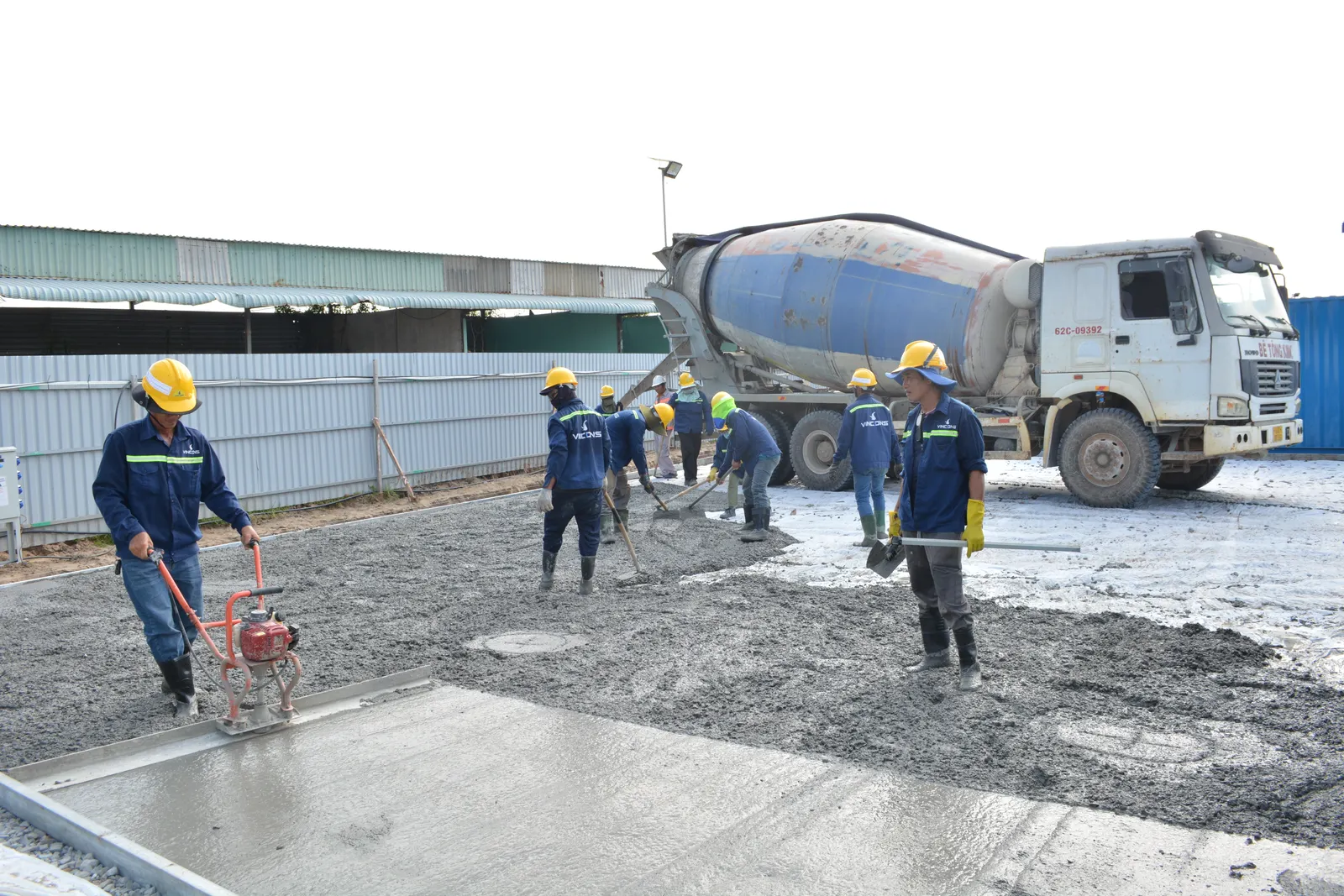
Demo, haul-off, subgrade correction, and repour — call (817) 710-2599, open 24 hours a day.
(817) 710-2599