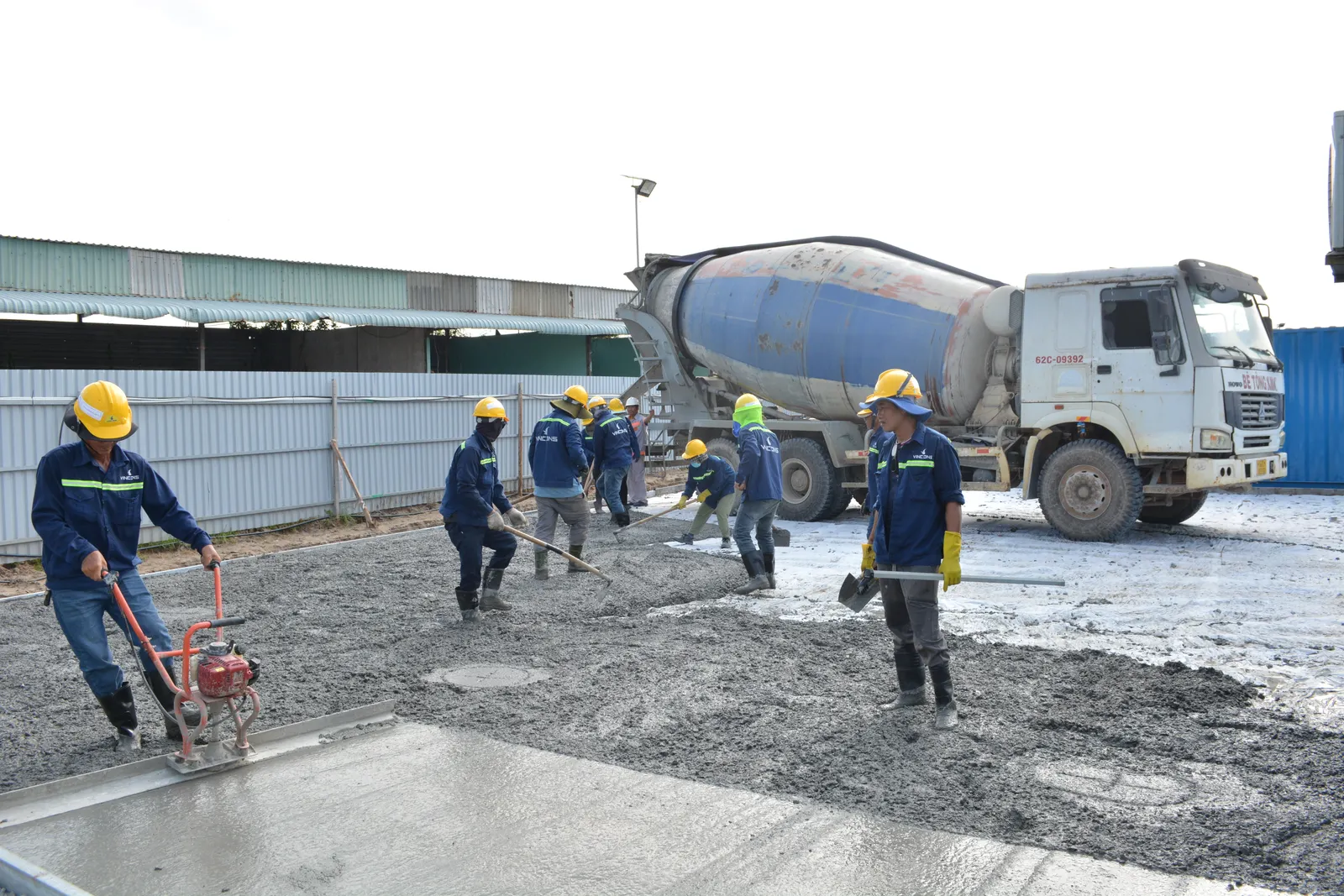
Concrete · Fort Worth, TX
Commercial Concrete & Parking Lots in Fort Worth, TX
**Concrete & Paving North Fort Worth** has spent 15 years coordinating commercial concrete work — parking lots, drive lanes, loading docks and dock aprons, dumpster and equipment pads, ADA-compliant ramps and accessible parking, and the sidewalks that tie a commercial site together — for property managers, businesses, and general contractors across Haltom City, North Richland Hills, Watauga, Keller, and the wider Fort Worth metro. Every job runs from layout through final saw-cut jointing under one written, quoted scope.
A parking lot isn't decorative — it's the surface your customers, delivery trucks, and staff vehicles depend on every day, so the crews we coordinate with size it accordingly. On-site consultations look at expected traffic (cars only, or trucks and trailers too), drainage, and budget before anything is specified, and flatwork gets poured to ACI 330, the industry guide for concrete parking lot design and construction, with thickness and reinforcement matched to the load — including dumpster and equipment pads, a scope that overlaps with our concrete slabs & foundations work — it will actually carry.
Most commercial pours are quoted, scheduled, and phased around your operating hours — off-hours, overnight, or a section of the lot at a time — so a retail center or warehouse rarely has to close to get new flatwork. Every scope is written and priced before a crew shows up, and it stays the number on the invoice unless something changes.
When North Fort Worth property managers and general contractors need commercial concrete that holds up under stationary loads and heavy trucks instead of rutting like asphalt does in Texas heat, they're choosing a crew that pours to a load-rated spec — not a residential driveway crew working outside its scope.
What We Do
Our Commercial Concrete Services in Fort Worth
Commercial concrete covers more ground than a residential slab — full parking lots, dock aprons rated for trailer axle loads, and ADA-compliant ramps and parking, each specified to a different standard. Here's how the crews we coordinate with break down commercial flatwork.
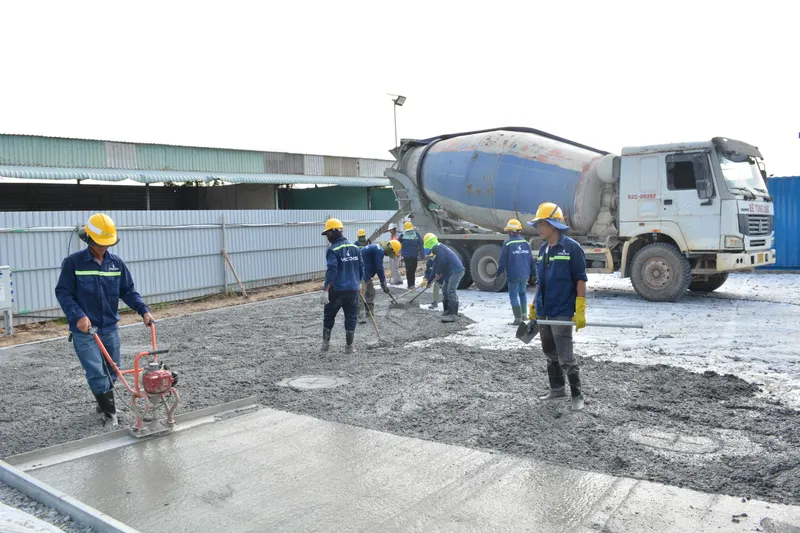
Parking Lots, Drive Lanes & Equipment Pads
New parking lots and drive lanes get poured to ACI 330 spec, with thickness typically running 5 to 6 inches for standard car traffic and 6 to 8 inches or more anywhere trucks, trailers, or trash trucks regularly cross or park. Dumpster pads and HVAC or generator equipment pads get the same load-rated treatment on a smaller footprint, reinforced with rebar or welded wire mesh over a compacted base so a fully loaded roll-off container doesn't punch through the slab within a year of pouring.
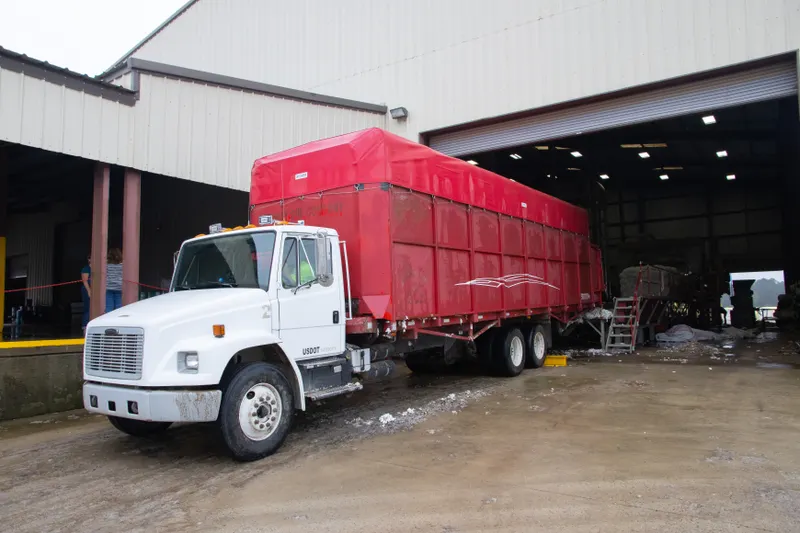
Loading Docks & Dock Aprons
Loading docks and dock aprons take repeated concentrated point loads from trailer landing gear and forklift traffic, exactly the kind of stress that cracks a slab poured to residential spec. The crews we coordinate with pour dock aprons thicker and more heavily reinforced than the surrounding lot, grade them to shed water away from the dock door, and tie new apron concrete into existing building slabs with doweled joints so the two don't heave apart on Tarrant County's shifting clay.
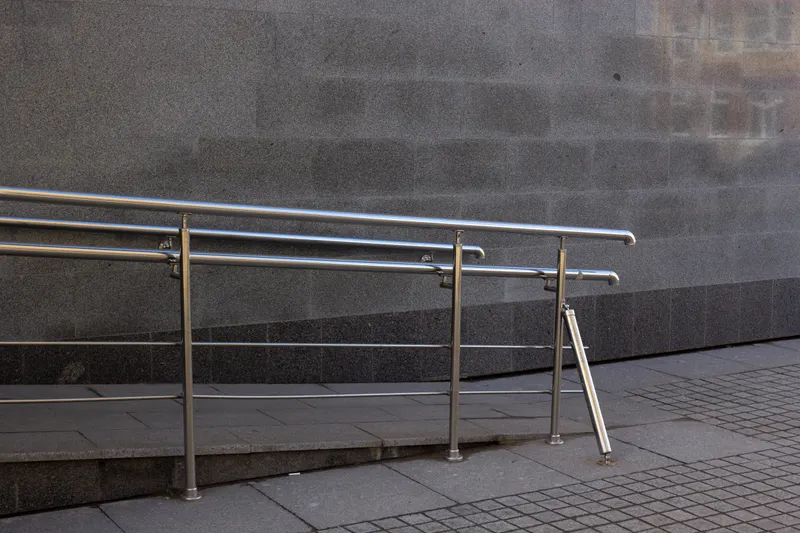
ADA Ramps & Accessible Parking
Accessible parking spaces, access aisles, and the ramps connecting them to a building entrance have to meet ADA slope and cross-slope requirements, not just look level to the eye — a ramp poured too steep is a liability the day it's inspected. The crews we coordinate with form and pour ramps, curb cuts, and detectable warning surfaces to spec, and lay out accessible parking counts and dimensions against the lot's total space count before a single form goes in.
The Benefits
Commercial Concrete Benefits for Fort Worth Businesses
A commercial slab poured to the right thickness and jointing doesn't just look finished on day one — it's what keeps a parking lot from rutting, cracking, and turning into a liability a year or two after the ribbon-cutting.
Load-Rated Thickness That Resists Rutting
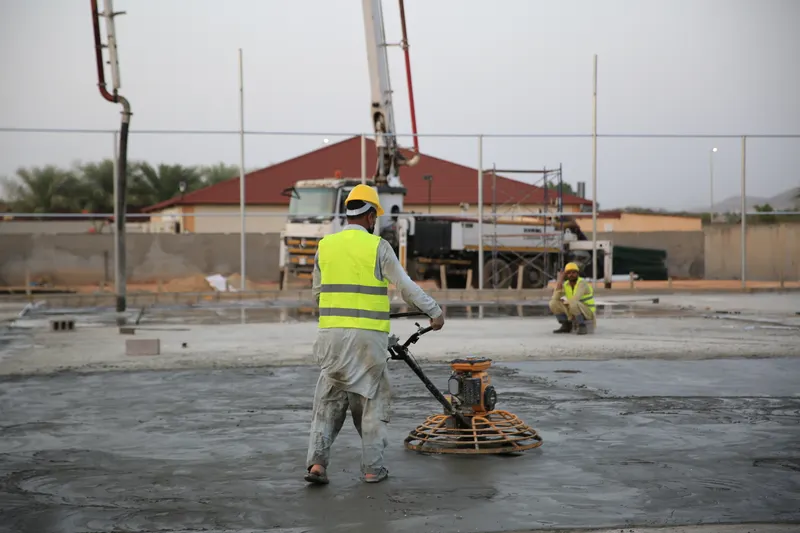
Asphalt softens and ruts under stationary or slow-moving heavy loads in North Texas summer heat — exactly the conditions a loading dock, dumpster corral, or drive-through lane sees every day. Concrete poured to a load-rated thickness in a 4,000 psi commercial mix holds its shape under that same load instead of deforming, which is why dock aprons, trash enclosures, and heavy-traffic drive lanes get specified in concrete even on lots that are otherwise asphalt.
Saw-Cut Jointing Controls Cracking on Clay
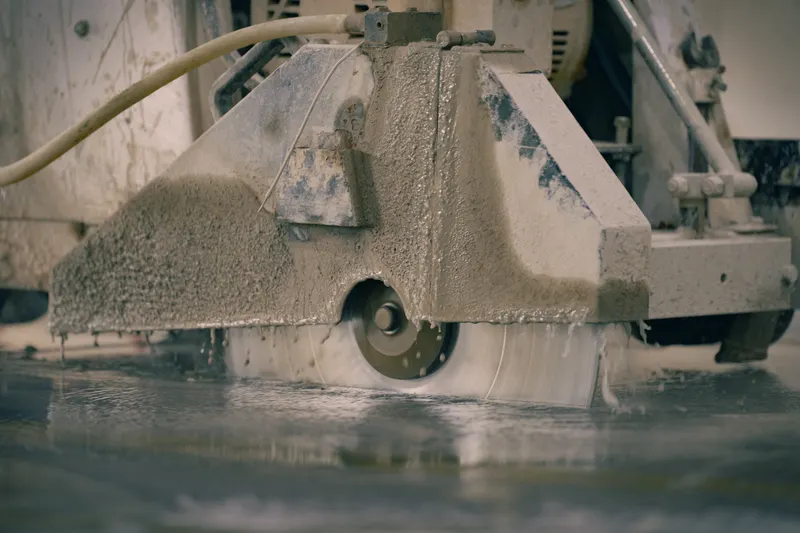
Tarrant County's expansive 'black gumbo' clay doesn't stop moving just because a slab is commercial instead of residential — a lot poured without properly spaced control joints cracks in random, unplanned lines across the whole surface. The crews we coordinate with saw-cut joints within hours of finishing, spaced to steer that inevitable shrinkage cracking into straight, controlled lines instead of letting it spread randomly across thousands of square feet of flatwork.
Phased Pours Keep Your Business Open
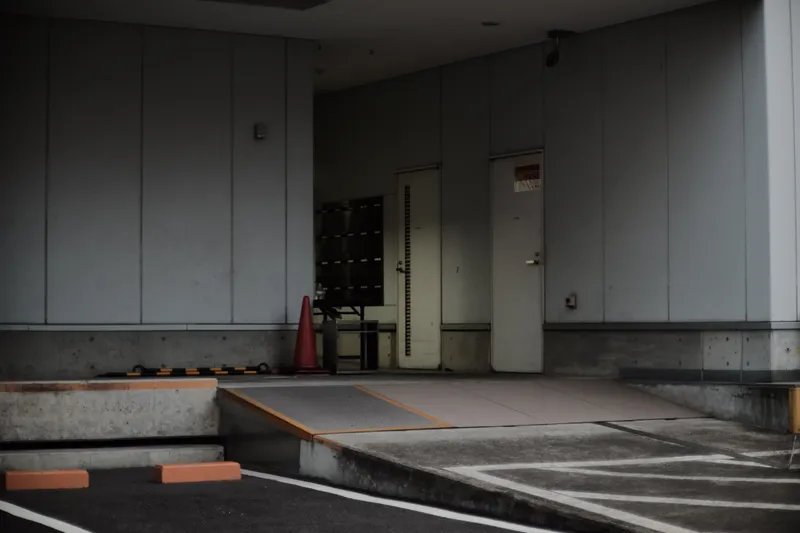
Closing an entire parking lot to repour it isn't realistic for a retail center, medical office, or warehouse with daily deliveries, so commercial work gets phased — half the lot at a time, one drive lane at a time, or scheduled overnight — and coordinated around your posted hours. Along busy corridors like Denton Highway and Loop 820, that scheduling flexibility is often the difference between a smooth repour and a week of lost customer traffic.
Why Us
Why Fort Worth Businesses Choose Us for Commercial Concrete
Fifteen years of coordinating commercial concrete on Tarrant County's toughest soil means the spec gets matched to the load before a truck of ready-mix ever shows up.
Poured to ACI 330 Standards
Commercial parking lots and drive lanes get poured to ACI 330, the industry guide for concrete parking lot design and construction, with thickness and reinforcement specified to the traffic the lot will actually carry rather than a one-size-fits-all residential spec. We don't downsize the base or the reinforcement to shave a day off a commercial schedule, because that's the shortcut that fails first under truck traffic.
Local Fort Worth Permitting & Site-Plan Know-How
Commercial paving and site work in Haltom City, North Richland Hills, and Watauga typically routes through a site-plan or commercial building-permit review rather than the simpler process a homeowner's driveway needs, and requirements shift again where a drive approach ties into a state highway right-of-way like US-377 or Loop 820. We confirm what a specific property needs before a crew is scheduled.
Free Written Quotes, Scheduled Around Your Hours
Every commercial job is quoted free and in writing after an on-site look at square footage, traffic type, and existing subgrade condition, with a phasing plan built around your operating hours before any crew is scheduled. The number in that quote is the number on the invoice unless the scope changes, and you hear about it before work continues, not after.
Need a slab poured somewhere else on the property — an HVAC pad, footing, or interior floor? See our concrete slabs & foundations page. Tearing out an old, failing lot before repouring is covered on our concrete removal & replacement page, and if the site needs walkways connecting the parking lot to the entrance, sidewalks & walkways covers that scope separately — commercial work doesn't include residential driveways, which have their own page. For the full list of what gets coordinated across Haltom City, North Richland Hills, and Watauga, see our services, or head back to Concrete & Paving North Fort Worth for the rest of what we coordinate.
Frequently Asked Questions
How much does commercial concrete cost per square foot in Fort Worth?
Commercial concrete flatwork typically runs $6 to $15 per square foot installed for standard-thickness parking lot and drive lane pours, with dock aprons, ADA ramps, and heavily reinforced sections costing more per square foot than open lot area. A full parking lot or drive-lane project prices out well into five or six figures once square footage, demolition of old asphalt or concrete, and phasing are factored in. Thickness, reinforcement type, and whether the pour is scheduled during business hours or after them all move the number.
What is ACI 330 and why does it matter for a parking lot?
ACI 330 is the American Concrete Institute's guide for the design and construction of concrete parking lots, covering thickness, jointing, subgrade preparation, and reinforcement specific to the loads a lot actually carries. A parking lot poured to that guide gets sized differently depending on whether it's serving passenger cars only or regularly sees delivery trucks, trash trucks, and trailers. Skipping that standard and pouring commercial flatwork like a residential driveway is one of the more common reasons a new lot ruts or cracks within its first couple of years.
How thick does commercial concrete need to be?
Standard car-traffic parking areas are commonly poured around 5 to 6 inches thick, while drive lanes, loading docks, and any area trucks or trailers regularly cross or park on are typically specified thicker, often 6 to 8 inches or more, with reinforcement to match. Dumpster pads and equipment pads carrying concentrated point loads from a fully loaded roll-off or an HVAC unit get sized on the same load-rated logic rather than a flat number. The exact thickness comes out of the site evaluation, based on what will actually drive and park on the slab day to day.
How are control joints spaced on a commercial parking lot?
Control joints on commercial flatwork are typically spaced at a ratio tied to slab thickness, commonly in the range of roughly 2 to 3 times the slab's thickness in feet, and saw-cut within about 6 to 18 hours of finishing while the concrete is still workable enough to cut cleanly. On a large open parking lot that adds up to a jointing pattern across thousands of square feet, laid out in advance so the joints land in straight, sensible lines rather than cutting through parking stalls or drive paths. Skipping proper joint spacing on Tarrant County's expansive clay is one of the fastest ways to get random, unplanned cracking across an otherwise good pour.
Can you pour a parking lot without closing my business?
Most commercial pours get phased rather than done all at once — one section or drive lane at a time while the rest of the lot stays open, or scheduled overnight or over a weekend when traffic is lightest. Businesses along corridors like Denton Highway and Loop 820 that can't afford a closed lot during posted hours typically get a phasing plan built into the written quote before any concrete is ordered. Full closures are sometimes unavoidable on a small single-entrance lot, but that gets flagged and scheduled around your slowest hours whenever possible.
What are the ADA requirements for commercial parking and ramps?
ADA Standards for Accessible Design set specific requirements for the number of accessible parking spaces relative to a lot's total space count, the width of access aisles next to those spaces, and the maximum running slope and cross-slope on ramps and the accessible route to a building entrance. A ramp poured even slightly too steep, or an accessible space striped without a compliant access aisle, is a compliance problem that surfaces the day the property gets inspected or a complaint is filed. The crews we coordinate with form and pour ramps, curb cuts, and accessible spaces to those slope and dimension requirements as part of the original layout, not as a retrofit.
Should a loading dock apron be concrete instead of asphalt?
Yes in almost every case — a loading dock apron takes repeated concentrated point loads from trailer landing gear and forklift traffic, and asphalt softens and deforms under that kind of stationary, concentrated weight, especially in North Texas summer heat. Concrete poured to a load-rated commercial thickness holds its shape under the same load instead of rutting, which is why dock aprons and trailer parking areas get specified in concrete even on lots that are otherwise asphalt. Dock aprons also get tied into the building's existing slab with doweled joints so the two move together instead of separating on shifting clay.
Do I need a permit for commercial paving work in Haltom City or North Richland Hills?
Yes — commercial paving and site work typically routes through a site-plan or commercial building-permit review with the local building department rather than the simpler over-the-counter process a residential driveway needs, and Haltom City, North Richland Hills, and Watauga each run their own review process. Requirements shift again where a drive approach or entrance ties into a state highway right-of-way, such as US-377 (Denton Highway) or Loop 820, versus a city street. We confirm exactly what a specific commercial property needs before scheduling a crew, so a permit question never turns into a mid-project delay.
How soon can vehicles and trucks use new commercial concrete?
Light traffic is generally safe around 24 to 48 hours after a pour, regular passenger-vehicle traffic at roughly the 7-day mark, and full design strength — the point heavy trucks and trailers should be loading a new dock apron or drive lane — isn't reached until around 28 days. Opening a section to truck traffic before it's cured to full strength risks denting, cracking, or rutting concrete that hasn't finished gaining strength, a costlier fix than waiting the extra weeks. On a phased job, sections poured first are often fully cured by the time later sections are finished, which is part of why phasing a large lot makes practical sense. We give an exact traffic-ready date for each phase, not a blanket estimate.
What's the difference between commercial concrete and a residential driveway?
Commercial concrete is sized against ACI 330 for the trucks and heavy stationary loads a lot or dock actually carries, while a residential driveway is a lighter mix sized for passenger cars. Commercial jobs also fold in ADA layout, site-plan permitting, and phased scheduling around business hours that a driveway never needs. Pouring a lot to residential spec is one of the more common reasons commercial flatwork ruts or cracks early.
Get Your Commercial Concrete Quoted
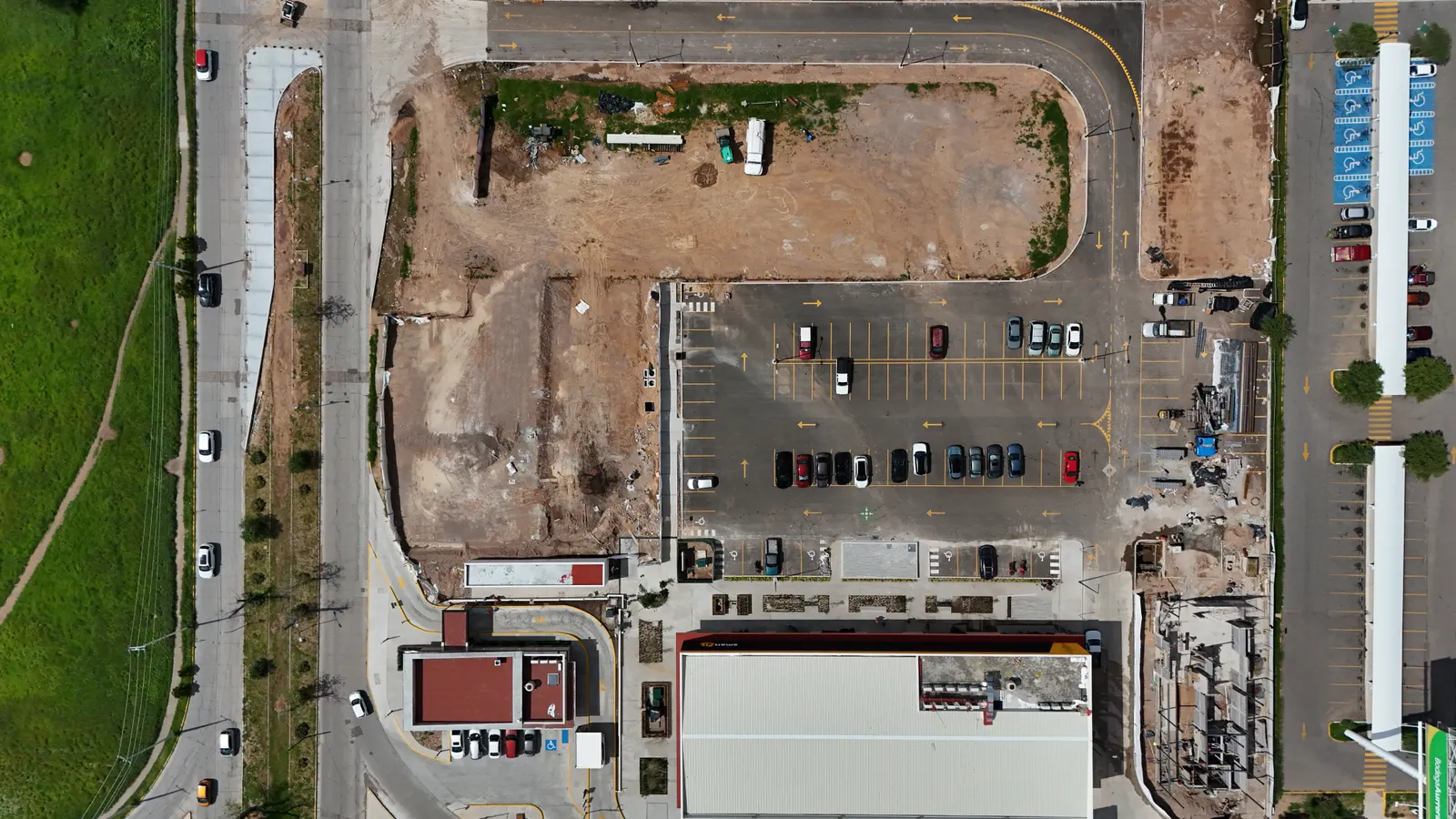
Parking lots, dock aprons, ADA ramps and pads — call (817) 710-2599, open 24 hours a day.
(817) 710-2599