
Concrete · Fort Worth, TX
Concrete Steps & Stairs in Fort Worth, TX
Front steps sink and pull away from the house more than almost any other piece of concrete on a property, and [Concrete & Paving North Fort Worth](/) has spent 15 years coordinating poured concrete steps, porch and stoop construction, and step repair and resurfacing across Haltom City, North Richland Hills, Watauga, and the wider Fort Worth metro because of it. Calls come in 24 hours a day, and every job gets a free written quote before a crew ever shows up with forms.
Watauga packs roughly 23,650 residents into just 4.16 square miles, one of the more densely built 1970s-through-90s subdivisions in the Mid-Cities, and its entry steps were mostly poured the same decade on the same reactive clay — meaning a lot of that original stoop concrete is aging into the same settling problem at once. The high-plasticity 'black gumbo' clay under North Fort Worth swells wet and shrinks hard through the dry months, and a short, heavy step section that isn't tied into the house slab or footed on its own compacted base is exactly the kind of concrete that clay moves first.
Steps get poured to match the home's existing rise and run rather than a generic template — riser height, tread depth, and the number of steps all follow the elevation change at your door, kept inside the tread and riser dimensions the residential code expects for a safe stride. A written quote covers step count, landing size, and whether the old steps need to come out first.
When North Fort Worth homeowners fix a settling or crumbling entry before it becomes a trip hazard, they're protecting the one piece of concrete every visitor and delivery actually steps on — call (817) 710-2599 and we're [open 24 hours](/contact) to get it quoted.
What We Do
Our Concrete Steps & Stairs Services in Fort Worth
A cracked front step, a new porch, and a stoop that's pulled away from the foundation are three different jobs with three different fixes. Here's how the crews we coordinate with break down concrete steps and stairs work.
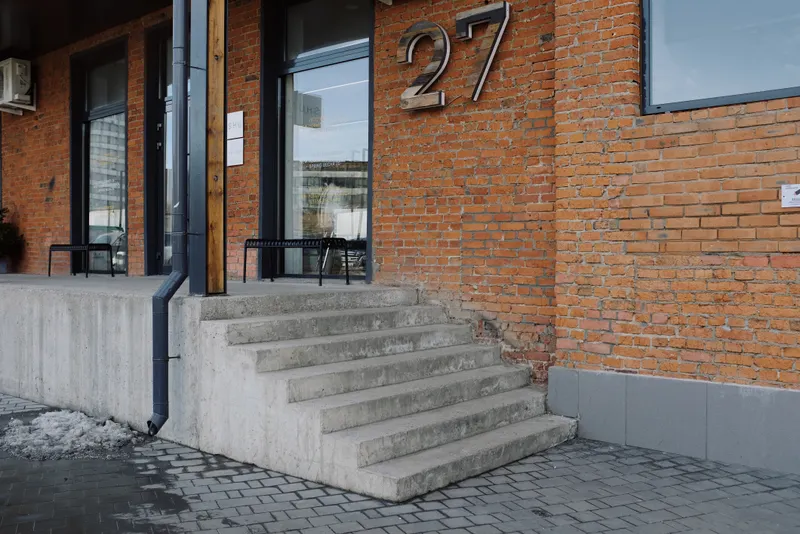
Poured Concrete Front Steps
New front-entry steps run $150 to $450 per step installed, depending on width, height, and whether a landing is poured with them. The crews we coordinate with excavate and compact a base under the full footprint, form to match the door threshold's exact rise, then pour and finish the steps as one monolithic unit rather than a stack of loose slabs. On-site work typically wraps in 1 to 2 days.
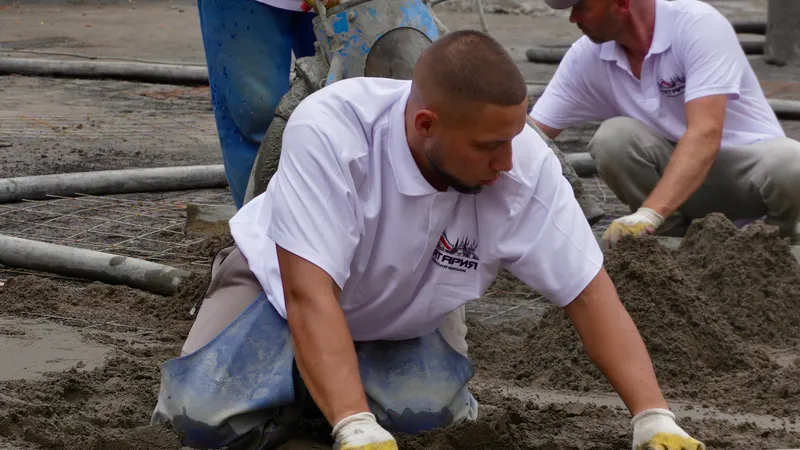
Porch & Stoop Construction
A porch or stoop carries more standing weight and more foot traffic than a bare stair run, so it gets a wider footing and reinforcement sized for that load, plus a slight slope built into the landing to shed water away from the doorway instead of pooling against the threshold. Handrail-ready steps get anchor sleeves or blockouts set into the pour at the layout stage, before concrete goes in.
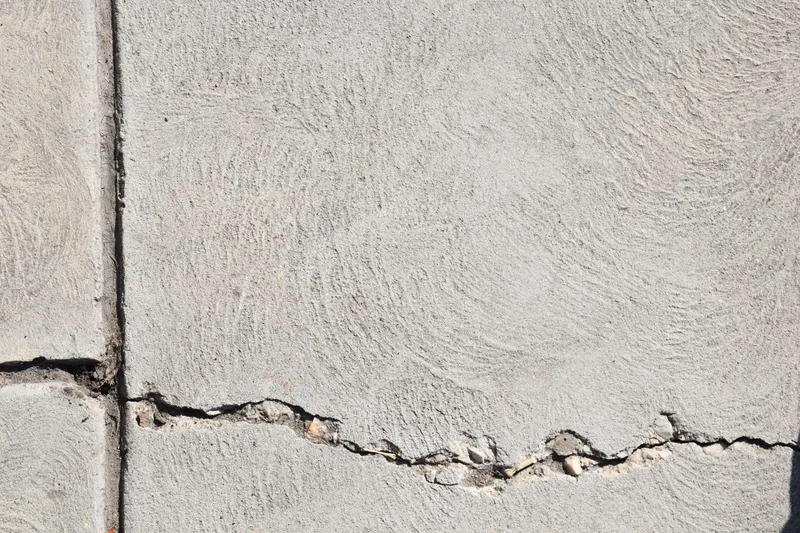
Step Repair, Releveling & Resurfacing
A step that's chipped, spalled, or settled at one corner usually isn't a full tear-out — cracked treads get patched or resurfaced, and a step that's dropped but is otherwise sound can sometimes be releveled instead of replaced. Where a step has separated from the house slab or the base underneath has washed out, the crews we coordinate with remove it, correct the subgrade, and repour tied properly into the structure this time.
The Benefits
Concrete Steps Benefits for North Fort Worth Homes
Steps sit right at the seam between your house and the ground that moves under it, so how they're built matters more here than almost anywhere else on the property.
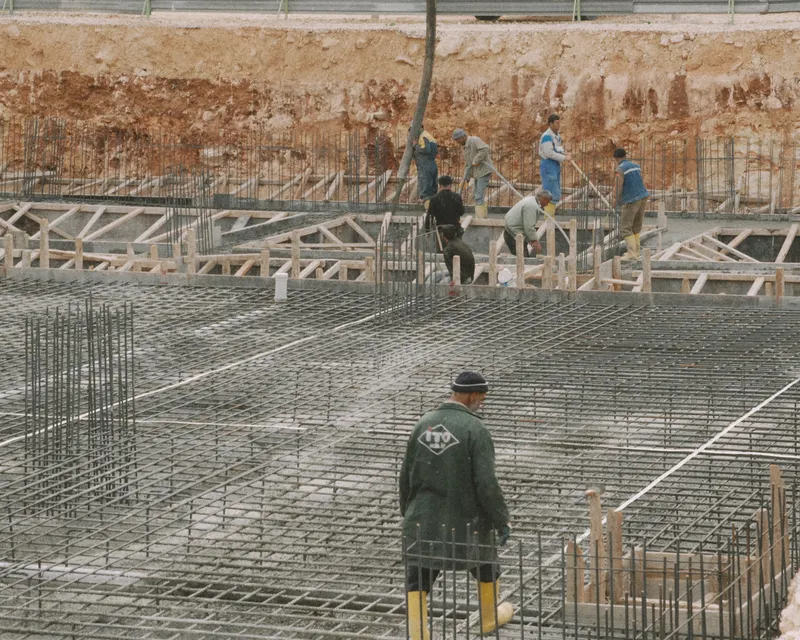
Tied Into the Slab, Not Just Sitting Next to It
A step section poured as a separate, unattached piece next to the foundation is the single most common way steps fail on Tarrant County's expansive clay — the two pieces move independently and a gap opens at the threshold. Doweling or keying new steps into the existing slab or footing lets the whole assembly move together instead of pulling apart season to season.

Built to Code-Compliant Rise & Run
Residential stair guidance generally caps riser height around 7 3/4 inches and calls for a tread depth of at least 10 inches, with every riser in a run kept consistent within a small tolerance — inconsistent steps are a known trip hazard, especially on an entry used at night. We lay out every run to hold that consistency before a single form goes up.
The First Thing Every Visitor Steps On
A chipped, uneven, or visibly patched front step is one of the fastest things a buyer, appraiser, or guest notices about a home, right at the point they're standing still waiting for the door. A clean, level, properly finished entry reads as a maintained house before anyone's inside it, and it's one of the cheaper exterior fixes that changes that first impression.
Why Us
Why Fort Worth Homeowners Choose Us for Concrete Steps
Steps are small pours with big consequences if the base underneath isn't built right — fifteen years of coordinating them on Tarrant County clay means that part doesn't get skipped.
Matched to Your Existing Rise, Not a Template
Every step run is measured off the actual elevation at your door — threshold height, landing size, and available footprint — rather than poured to a stock riser count and adjusted after the fact. That's the difference between steps that feel right underfoot and ones that need a shim or an extra half-step to work.
Local Fort Worth Clay & Permitting Know-How
Haltom City, North Richland Hills, and Watauga each run their own building department for exterior flatwork permitting rather than routing through Tarrant County, and a step or porch tied structurally to the house can trigger a different review than a standalone walkway. We confirm what applies before a crew is scheduled.
Free Written Quotes, No Surprise Add-Ons
Every step job is quoted free and in writing after a look at the existing entry, the subgrade, and what's failing, before any crew gets scheduled. If demo uncovers a bigger base problem than expected — a washed-out footing, for instance — you hear about it and approve it before work continues, not after the invoice arrives.
Steps that are chipped or settled but structurally sound are covered above under repair and releveling — if the concrete around your steps is a bigger walkway or landing area, our sidewalks & walkways page covers that scope, and full slab or foundation work belongs on concrete slabs & foundations. For crack injection, mudjacking, and resurfacing beyond a single step, see concrete repair & resurfacing. For the full list of what gets coordinated across Haltom City, North Richland Hills, and Watauga, see our services, or head back to the home page for a free quote on any of it.
Frequently Asked Questions
How much do new concrete steps cost in Fort Worth?
Poured concrete steps typically run $150 to $450 per step installed, with the total depending on step width, height, whether a landing is included, and whether an old step has to be demolished first. A simple three-step run at a standard door width lands toward the lower end of that range, while a wide porch stoop with a landing and handrail-ready forming costs more. We quote every step job free and in writing after seeing the entry and the elevation change it needs to cover.
Why do concrete steps crack or pull away from the house?
North Fort Worth sits on high-plasticity 'black gumbo' clay that swells when wet and shrinks hard through a dry summer, and a step section that was poured as a separate piece next to the foundation — instead of doweled or keyed into it — moves independently from the house. That's what opens the gap you see at the threshold, and it's the most common reason steps fail here before the concrete itself is actually worn out. Steps tied properly into the slab or footing move with the structure instead of against it.
How long does it take to pour new front steps?
A standard front-entry step job typically wraps on-site work in 1 to 2 days, covering base prep, forming to match the door's rise, reinforcement, and the pour and finish. Full design strength isn't reached until around 28 days, but light foot traffic is generally safe after 24 to 48 hours of cure. We'll give you the exact release date for your specific pour rather than a generic estimate.
What's the maximum riser height and minimum tread depth for residential steps?
Residential stair guidance generally caps riser height around 7 3/4 inches and calls for a tread depth of at least 10 inches, with every riser in a single run held consistent within a small tolerance so a person's stride doesn't get thrown off partway up. Inconsistent step heights are a recognized trip hazard, which matters most at an entry used after dark or by anyone carrying groceries or a stroller. We lay out every run to those dimensions before forms go up, not after.
Can you repair a cracked or chipped concrete step instead of replacing it?
Often, yes — a chipped edge, a spalled tread surface, or hairline cracking on an otherwise structurally sound step can usually be patched or resurfaced rather than torn out. Where a step has dropped at one corner but the base underneath is still intact, releveling is sometimes possible instead of a full repour. If the step has separated from the house slab or the subgrade underneath has washed out, though, repair won't hold and a proper repour tied into the structure is the honest recommendation.
How do you keep new steps from settling on North Texas clay?
The base underneath the steps gets excavated and compacted before any concrete goes in, and the new steps are doweled or keyed into the existing house slab or footing rather than poured as a loose piece sitting next to it. That connection is what lets the steps move with the foundation instead of settling away from it as Tarrant County's expansive clay swells and shrinks through the year. Skipping that tie-in is the single most common cause of steps separating from a house within a few years.
Do I need a permit for new concrete steps or a porch in Haltom City or the surrounding area?
It depends on the city and the scope — Haltom City, North Richland Hills, and Watauga each run their own building department for exterior flatwork permitting rather than routing through Tarrant County, and work that ties structurally into the house, like a porch or stoop, can trigger a different review than a standalone walkway section. Unincorporated pockets around these cities fall under Tarrant County jurisdiction instead. We confirm exactly what applies to your address before scheduling a crew.
Can you add a handrail to new or existing concrete steps?
Yes — for new steps, we set anchor sleeves or blockouts into the pour at the layout stage so a handrail can be mounted securely later without drilling into finished concrete and risking a crack. For existing steps without provisions built in, post bases can often be anchored into the tread or landing with epoxy anchors, though the concrete's condition determines whether that holds long-term. We'll flag which approach fits your steps during the quote.
What's the difference between a stoop, a porch, and a set of steps?
A set of steps is simply the run connecting one elevation to another; a stoop is a small landing at the top of that run, often just large enough to stand on while opening the door; a porch is a larger covered or uncovered landing that functions as its own outdoor space. Structurally they're related — all three need a properly compacted base and a tie-in to the house — but a porch carries more standing load and more finish detail than a bare stair run. We size the reinforcement and footing to whichever one you're actually building.
How long do concrete steps last, and do they need sealing?
Properly built concrete steps — doweled into the house slab, poured on a compacted base — generally hold up as long as the flatwork around them, though workmanship warranties on new pours commonly run 1 to 2 years and don't cover the hairline shrinkage cracking that's a normal part of how concrete cures. Sealing isn't structurally required, but a penetrating or acrylic sealer applied after the concrete fully cures at 28 days helps resist staining and surface wear on a high-traffic entry. Sealing before that 28-day mark traps moisture that hasn't finished evaporating out.

Get Your Concrete Steps Quoted
New steps, porch and stoop pours, and step repair — call (817) 710-2599, open 24 hours a day.
(817) 710-2599