Concrete · Fort Worth, TX
Stamped & Decorative Concrete in Fort Worth, TX
Concrete & Paving North Fort Worth has coordinated stamped concrete patios, decorative driveway pours, integral and color-hardener coloring, and concrete overlay resurfacing across Haltom City, North Richland Hills, Watauga, and Keller for 15 years. We're Open 24 Hours, seven days a week, and every job starts with a free written quote before the crews we coordinate with schedule a single yard of concrete.
A stamped patio or driveway is a decorative investment, so we walk every homeowner through pattern options — ashlar slate, running-bond brick, weathered flagstone, hand-tooled wood-plank — and how integral color, mixed into the batch, compares to a color hardener broadcast on top before stamping. A release-agent color adds a contrasting antiquing layer worked into the texture lines during the stamp. For Fort Worth's summer UV load, we lean on mineral-based pigments and hardeners, which hold their tone longer than cheaper dye-only systems.
Most stamped or decorative pours run 2 to 4 days start to cure-ready, priced at $8 to $28 per square foot depending on pattern complexity and color count — a typical 20x20 stamped patio lands around $3,200 to $7,600. Color is warranted against premature fade for a full year.
When Fort Worth homeowners choose decorative concrete over plain broom-finish, they're choosing a surface that reads like flagstone or brick at a fraction of the material cost, and — sealed and maintained on schedule — still looks sharp a decade after the forms come off.
What We Do
Our Stamped & Decorative Concrete Services in Fort Worth
Stamped concrete isn't one product — it's a pattern, a color method, and a finish, all chosen together. We match each to where it's going and how much sun and traffic the surface will actually take.

Stamped Concrete Patterns & Textures
Ashlar slate, cobblestone, running-bond brick, and hand-tooled wood-plank are the four patterns we stamp most often across Haltom City and North Richland Hills backyards, each pressed into the concrete with textured mats while it's still plastic enough to hold a clean impression.
The mat pattern has to line up with control joints from the start, not patched in after — get that wrong and a nice stamp job reads as an obvious grid mismatch. We lay out joint spacing against the pattern before a single yard gets poured.
Integral Color vs. Release-Agent Color
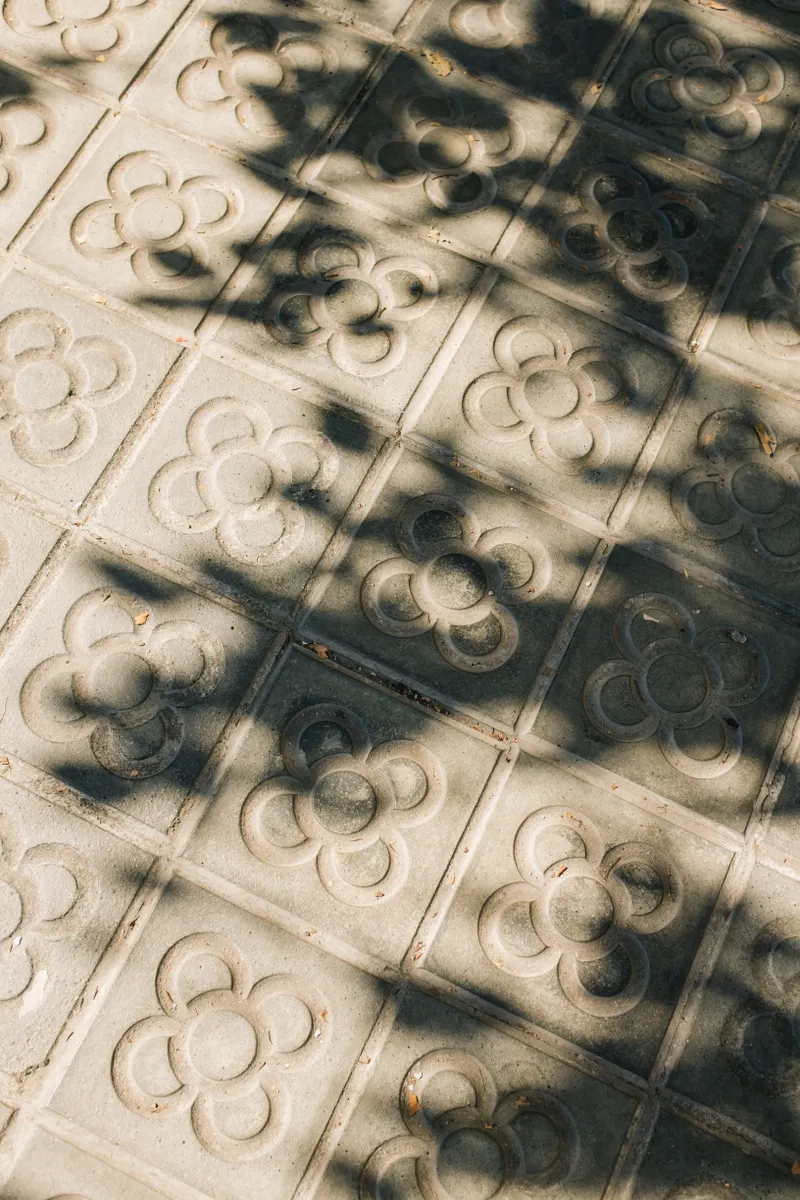
Integral color is mixed into the concrete at the batch plant, so the color runs the full depth of the slab and won't wear thin even if the surface gets scratched years later. A color hardener, broadcast onto the surface and floated in before stamping, gives a denser wear layer and a wider range of tones.
Most jobs pair a base integral or hardener color with a contrasting release-agent color worked into the texture lines during stamping — that's what gives stamped concrete its stone-like depth instead of a flat, single-tone look.
Exposed-Aggregate & Overlay Finishes
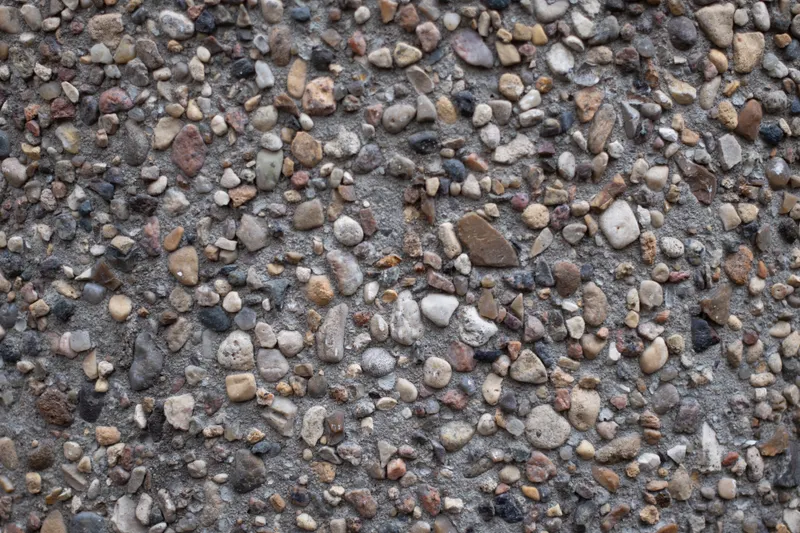
Exposed-aggregate finishes expose the natural stone in the mix instead of stamping a pattern on top — the surface gets washed or lightly etched right after finishing so the aggregate shows through, a look that holds up well on driveways sitting in direct sun most of the day.
A concrete overlay is a thin decorative layer, a polymer-modified mix, applied over an existing sound slab to add stamped texture and color without a full tear-out — the fix when the base is fine but the finish is dated.
The Benefits
Why Decorative Concrete Holds Up in Fort Worth
A patio or driveway you actually want to look at earns its keep longer than plain gray concrete — provided the color, the joints, and the sealer are all handled the way North Texas heat and clay demand.

Patios, Driveways & Walkways in One Coordinated Job
We stamp and color patios, front-entry walkways, and full driveways as one continuous design when a homeowner wants matching texture across the whole property — a common request near North Richland Hills' NRH2O and Iron Horse Golf Course areas.
If you only need the driveway itself resurfaced or replaced without the decorative work, our [concrete driveways](/concrete-driveways) page covers that scope on its own.

Control Joints Placed to Protect the Pattern
Every stamped slab still needs control joints to steer shrinkage cracking, cut or tooled within about 6 to 18 hours of the pour — the difference on decorative work is that we plan joint lines to fall inside a grout line of the stamp pattern instead of across a flagstone panel. That keeps a hairline shrinkage crack from reading as a flaw.

Sealed Against Fort Worth Summers
New color and stamped texture can't be sealed until the slab is fully cured, about 28 days out — sealing too early traps moisture and clouds the color. Once cured, a film-forming acrylic sealer locks in the tone and resists the UV fade that flattens unsealed color within a season or two.
Why Us
Why Fort Worth Homeowners Choose Us for Stamped Concrete
Fifteen years of coordinating decorative pours across the Mid-Cities means fewer color mismatches and joint lines that actually follow the pattern.
Crews Certified on Flatwork, Not Just Decorative Add-Ons
The crews we coordinate with hold ACI Concrete Flatwork Finisher certification and carry full licensing and insurance — stamping and coloring is a finishing skill layered on top of correct flatwork fundamentals, subgrade prep, and joint layout, not a separate trade bolted onto a rushed pour.
We Know Which Neighborhoods Ask for Which Pattern
Ashlar slate and flagstone patterns dominate requests on North Richland Hills' larger backyard patios, while Haltom City and Watauga homeowners more often stamp a driveway or entry walk in brick or cobblestone to match an existing facade — we bring pattern samples that match what's selling in your ZIP code.
Honest Color-Fade Warranty, No Surprises at Resealing
Stamped and colored work carries a full year of coverage against premature fade, contingent on the sealer maintenance schedule we spell out at handoff — most decorative surfaces need a fresh acrylic coat every 2 to 3 years, and we tell you that up front.
Stamped and decorative work is a finish choice layered on top of the same flatwork fundamentals as any other pour — if you're set on the design but want to know what a plain driveway or patio costs without the pattern and color upcharge, our concrete driveways and concrete patios pages break down broom-finish and exposed-aggregate pricing on their own. The same North Fort Worth concrete crew that plans joint layout around a stamp pattern also handles the full services lineup, so call (817) 710-2599 and we'll tell you honestly which pattern and color system fits your budget.
Frequently Asked Questions
How much does stamped concrete cost in Fort Worth?
Stamped and decorative concrete typically runs $8 to $28 per square foot in the North Fort Worth area, with most jobs landing in the $12 to $18 range once pattern complexity, color count, and square footage are factored in. A typical 20-by-20-foot stamped patio comes in around $3,200 to $7,600 installed, while a stamped driveway runs higher because of the larger footprint and heavier reinforcement vehicle loads require. Simple single-color jobs cost less per square foot than multi-color work with a hand-tooled border or a second accent pattern. We give a written, itemized quote before any crew is scheduled, so the price is fixed rather than a range that grows once underway.
What's the difference between integral color and a color hardener?
Integral color is a pigment mixed into the concrete at the batch plant, so the color runs the full depth of the slab and won't wear away even if the surface gets scuffed years later. A color hardener is broadcast onto the surface after the pour and floated in before stamping, which produces a harder, more abrasion-resistant wear layer and typically a richer range of tones. Most of our decorative jobs pair a hardener base color with a release-agent antiquing color worked into the stamp texture, which is what gives the finished surface its stone-like depth. We pick the system based on the look and the budget.
What patterns can you stamp into a patio or driveway?
The four patterns we stamp most often in North Fort Worth are ashlar slate, cobblestone, running-bond brick, and hand-tooled wood-plank, each pressed in with textured mats while the concrete is still plastic enough to hold a clean impression. Ashlar slate and flagstone-style patterns are the most requested for larger backyard patios, while brick and cobblestone patterns are common on driveways and entry walkways where homeowners want the look to match an existing facade. Every pattern choice gets planned against control-joint spacing before the pour, so the grid lines fall in the pattern's natural grout lines instead of cutting across a stone panel.
How long before I can walk or drive on new stamped concrete, and when can it be sealed?
Stamped concrete cures on the same schedule as any other flatwork: safe for foot traffic in about 24 to 48 hours, and safe for vehicle traffic at roughly the 7-day mark. Sealing is the one step decorative work can't rush — the slab needs close to 28 days to fully cure before a sealer goes on, since sealing too early traps residual moisture underneath the coating and can cloud the finish. That 28-day wait is also when the concrete reaches its full design strength, the right moment to inspect color and pattern before the sealer locks everything in.
Is stamped concrete as durable as plain concrete?
Structurally, yes — a stamped or colored slab sits on the same rebar or wire-mesh reinforced base, the same psi mix, and the same control-joint layout as any plain broom-finish pour, so it holds up to the same loads and the same expansive-clay movement underneath it. The finish layer is what differs: a color hardener actually adds a harder, denser wear surface than plain troweled concrete, while integral color runs the full depth so scuffing doesn't expose a different shade underneath. The one added maintenance item is the acrylic sealer, which needs recoating roughly every 2 to 3 years.
Is stamped concrete slippery when wet, especially around a pool?
A stamped texture is actually less slick than a smooth-troweled slab because the pattern grooves and release-agent texture break up a flat water film, but any concrete surface can get slippery when wet, algae-stained, or over-sealed with a high-gloss product. Around pool decks and patios, we specify a matte or low-sheen acrylic sealer with a slip-resistant additive mixed in rather than a glossy wet-look finish. Deeper-textured patterns like ashlar slate and cobblestone naturally hold more grip than a fine wood-plank stamp. Regular resealing also matters, since a worn-through sealer coat is where most slickness complaints come from.
Can you stamp or color an existing concrete driveway or patio instead of pouring new?
Yes — a concrete overlay is a thin, polymer-modified decorative layer applied directly over an existing sound slab to add stamped texture and color without a full tear-out. It only works when the base concrete underneath is structurally sound with no major cracking, settlement, or spalling, since an overlay eventually reflects whatever damage exists below it. If your current slab has active cracking or has heaved from clay movement, that needs to be addressed first — our [concrete repair](/concrete-repair) page covers crack injection and leveling before any decorative overlay goes on. An overlay typically costs less than a full tear-out and turns around in a couple of days.
Where does stamped and decorative concrete work best — patios, driveways, or walkways?
All three, and we frequently do them as one coordinated design when a homeowner wants a matching look across the property, like a stamped entry walkway carrying the same pattern onto the driveway, or a pool-deck patio continuing the texture around a spa pad. Patios see the most decorative requests since they're viewed up close and often photographed for entertaining, while driveways get simpler patterns and fewer colors since they're poured thicker and reinforced for vehicle loads. Our [concrete driveways](/concrete-driveways) page covers the reinforcement and thickness specs for that scope, and our [concrete patios](/concrete-patios) page covers broom-finish and exposed-aggregate options.
How long does stamped concrete color last before it needs resealing?
Most stamped and colored surfaces in North Fort Worth need a fresh acrylic sealer coat every 2 to 3 years to keep the color from fading under the region's intense summer UV load, though a shaded patio can often stretch longer than a driveway that sits in full sun most of the day. The color itself, integral or hardener, is warranted against premature fading for a full year from installation, provided the sealer maintenance schedule we set at handoff is followed. Skipping resealing doesn't damage the concrete structurally, but it does let UV exposure flatten the color and texture depth faster.
What time of year is best for a stamped concrete pour in North Texas?
Spring and fall give the most forgiving working window for stamped concrete, since the crew needs enough open working time to place, float, and stamp the pattern before the surface sets — extreme summer heat can flash-set the top layer faster than a crew can stamp a large patio evenly. Summer pours are still routine here; we simply start earlier in the day and use retarding admixtures to extend the working window. Winter pours need the opposite adjustment, since a cold snap slows curing and can delay the stamping window, so we track the forecast rather than a fixed calendar date.
Do control joints ruin the look of a stamped pattern?
Not when they're planned before the pour — every stamped job we coordinate lays out control-joint spacing against the mat pattern first, so joints fall along a natural grout line in the stamp, between flagstone panels or along a brick course, instead of cutting straight across a stone or plank shape. Skipping that planning step is the single most common reason a homeowner ends up with a joint line that visibly clashes with the pattern. Joints still get tooled or saw-cut within about 6 to 18 hours of the pour regardless of the decorative finish.

Get a Free Quote on Stamped & Decorative Concrete
Patios, driveways and walkways, patterned and colored to match your home. Call (817) 710-2599.
Call (817) 710-2599