
Concrete · Fort Worth, TX
Concrete Driveways in Fort Worth, TX
[Concrete & Paving North Fort Worth](/) coordinates concrete driveways across Haltom City, North Richland Hills, Watauga, Keller, and the wider Fort Worth metro — 15 years coordinating driveway work, calls answered 24 hours a day. New pours, driveway widening, exposed-aggregate finishes, and full removal-and-replacement all run through the same crews, quoted free and in writing before anything is scheduled.
Haltom City incorporated in 1949 and grew from 42,409 residents in 2010 to 46,073 by 2020, and much of that older residential core sits on the high-plasticity 'black gumbo' clay that dominates North Central Texas — clay weathered from the Cretaceous Eagle Ford and Woodbine formations, with content that frequently exceeds 50 percent. That soil swells wet and shrinks hard through a dry summer, moving several inches seasonally under whatever's paved on top of it.
Driveways here get poured to a 3,500 psi mix, the class most exterior residential flatwork is specified at, over a compacted gravel base with rebar or wire mesh reinforcement and control joints placed to steer shrinkage cracking on purpose. A written quote covers square footage, thickness, and any demolition before a crew shows up.
When North Fort Worth homeowners choose concrete over asphalt or gravel for a driveway, they're choosing the material that holds a clean edge and uniform finish longest against this area's clay, provided the base underneath gets built right the first time.
What We Do
Our Concrete Driveway Services in Fort Worth
New concrete driveways in North Fort Worth aren't one job — a straight residential pour, a widened or extended drive, and a full tear-out-and-replace each need a different scope. Here's how the crews we coordinate with break it down.

New Driveway Installation
A standard two-car driveway runs 400 to 800 square feet and typically costs $2,400 to $9,600 installed, or roughly $6 to $15 per square foot depending on thickness and site access. The crews we coordinate with excavate the site, compact a gravel base, set forms to grade, then place a 3,500 psi ready-mix pour finished broom, smooth, or exposed-aggregate. On-site work runs 1 to 2 days; a full project with demolition stretches to 3 to 7 days including cure waits.
Driveway Widening, Extension & Removal
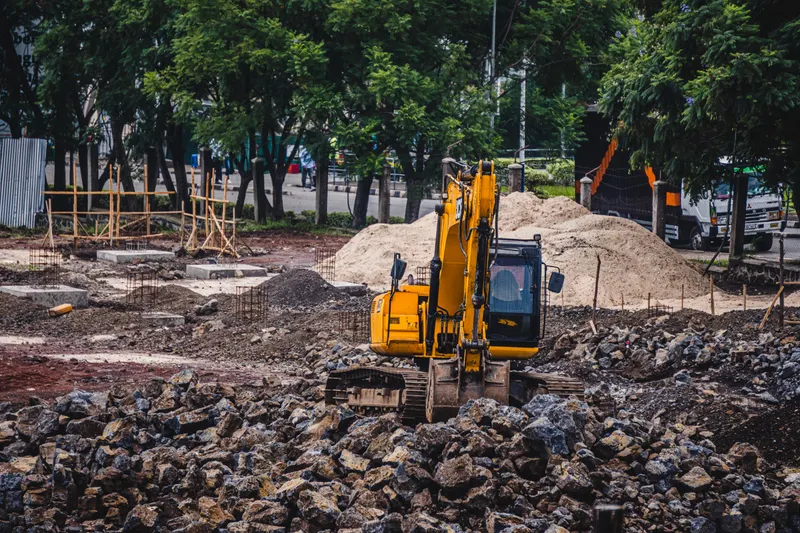
Adding a parking pad, RV pull-off, or widening a narrow drive to fit two vehicles side by side ties new concrete into the existing slab with a doweled or keyed joint, so the addition moves with the original pour instead of shearing away from it. Where the existing driveway is too cracked, undermined, or thin to extend, the crews we coordinate with remove and haul off the old slab, correct the subgrade, and repour from scratch.

Subgrade Prep, Reinforcement & Joint Layout
Every pour starts below the surface: the subgrade is excavated, graded for drainage, and compacted before a gravel base goes down, then rebar or welded wire mesh is set on chairs at the correct depth. Control joints are cut or tooled within 6 to 18 hours of finishing, spaced to steer the concrete's inevitable shrinkage cracking into straight lines — skipping this step is the single most common reason a new driveway heaves early on expansive clay.
The Benefits
Concrete Driveway Benefits for North Fort Worth Homes
A driveway built on properly prepped, reinforced base does more than look good on day one — it holds up through the seasonal clay movement Haltom City, North Richland Hills, and Watauga homeowners deal with year after year.
Built to Handle Expansive Clay Movement
Tarrant County sits on high-plasticity 'black gumbo' clay weathered from the Eagle Ford and Woodbine formations, with clay content that frequently exceeds 50 percent. The ASCE estimates roughly a quarter of U.S. homes carry some damage from expansive soils — a bigger annual loss than earthquakes, floods, hurricanes, and tornadoes combined. A driveway poured over a compacted base with rebar or mesh and correctly spaced control joints flexes with that seasonal shrink-swell instead of heaving apart with it.

Real Curb Appeal and Resale Value
A cracked, patched, or heaving driveway is one of the first things a buyer or a neighbor notices, and it's one of the cheaper exterior fixes that moves the needle on a home's overall impression. Broom-finish concrete gives a clean, uniform look that reads as well-maintained from the street, and it's a straightforward upgrade from an old asphalt or gravel drive without the ongoing sealcoating cycle asphalt needs in North Texas heat.

A Predictable, Honest Cure Timeline
New concrete supports light foot traffic in about 24 to 48 hours and is ready for regular vehicle traffic at roughly the 7-day mark, with full design strength reached around 28 days — the standard industry timeline, not a rushed estimate. The crews we coordinate with walk you through exactly when it's safe to park, and won't sign off on driving privileges early just to close out a job faster.
Why Us
Why Fort Worth Homeowners Choose Us for Concrete Driveways
Fifteen years of coordinating driveway work on Tarrant County's toughest soil means the base gets built right before concrete ever gets poured.
Fully Licensed, Insured Concrete Crews
The concrete crews we coordinate with are fully licensed and insured and pour to ACI flatwork finishing standards, so the driveway in front of your house gets the same base prep and reinforcement a commercial slab would get. We don't cut the reinforcement or the gravel base to shave a day off the schedule, because that's the shortcut that fails first on shifting clay.
Local Fort Worth Clay & Permitting Know-How
Haltom City, North Richland Hills, and Watauga each run their own building department for driveway and paving permits rather than routing through Tarrant County, and requirements shift depending on whether the approach ties into a city street or a state highway right-of-way. We confirm what's required before a crew shows up, so a permit question never turns into a delay mid-job.
Free Written Quotes, No Surprise Add-Ons
Every driveway is quoted free and in writing after an on-site look at square footage, access, and subgrade condition, before any crew gets scheduled. The number in that quote is the number on the invoice unless the scope changes, and if it does — a bad subgrade found mid-demo, for instance — you hear about it before work continues.
Not sure whether your driveway needs a new pour or a repair? Cracked, sunken, or spalling concrete is covered on our concrete repair & resurfacing page, and if you want a decorative finish instead of plain broom concrete, stamped & decorative concrete covers patterns and coloring options. For the full list of what gets coordinated across Haltom City, North Richland Hills, and Watauga, see our services — and if your address is inside Haltom City itself, our Haltom City concrete page covers the local permitting and soil details.
Frequently Asked Questions
How much does a concrete driveway cost in Fort Worth?
A standard concrete driveway runs $6 to $15 per square foot installed, and a typical two-car drive at 400 to 800 square feet costs $2,400 to $9,600 total. Price depends on slab thickness, whether reinforcement is specified, site access, and whether an old driveway needs demolition first. A plain broom-finish slab runs toward the lower end of that range, while decorative or exposed-aggregate finishes cost more per square foot. We quote every driveway free and in writing after seeing the site, not over the phone.
How long before I can drive on a new concrete driveway?
Plan on about 24 to 48 hours before light foot traffic is safe, and roughly 7 days before the driveway is ready for regular vehicle traffic. Full design strength isn't reached until around 28 days, also the earliest point a sealer should go on if you choose to seal the surface. Parking a vehicle on new concrete before that 7-day mark risks denting or cracking a slab that hasn't finished gaining strength. We'll give you the exact date based on the pour, not a generic guess.
Why do concrete driveways crack on Fort Worth's clay soil?
North Fort Worth sits on expansive 'black gumbo' clay weathered from the Eagle Ford and Woodbine formations, with clay content frequently exceeding 50 percent, and that clay swells when wet and shrinks hard through a dry summer. A driveway poured without a compacted base, rebar or mesh, and properly spaced control joints has nothing to resist that movement, so it heaves and cracks in random, unplanned lines. The ASCE estimates roughly a quarter of U.S. homes carry some expansive-soil damage. Proper subgrade prep and reinforcement don't stop the clay from moving — they let the slab move with it instead of against it.
How thick should a residential concrete driveway be?
Standard residential concrete driveways are commonly poured around 4 inches thick, with thicker sections specified where heavier vehicles like RVs, trucks, or trailers will regularly park. A thicker slab, tied to a properly compacted base, resists cracking and rutting better under concentrated point loads than a thin pour would, even at the same psi strength. The exact thickness gets specified after looking at what the driveway needs to carry day to day. We'll walk you through the recommendation for your specific vehicles and layout during the site visit.
Do I need rebar or wire mesh in a driveway slab?
Most residential driveways in North Fort Worth get rebar or welded wire mesh reinforcement set on chairs at the correct depth within the slab, specifically because Tarrant County's expansive clay moves enough seasonally to crack unreinforced concrete. Reinforcement doesn't stop cracking outright — concrete is expected to crack somewhere — but it holds the slab together across a crack instead of letting sections lift or separate. Fiber-reinforced mixes are sometimes used as a supplement, but they don't replace rebar or mesh on a driveway carrying vehicle loads. The crews we coordinate with specify reinforcement based on the subgrade condition found during excavation.
What's the difference between a new driveway pour and a driveway replacement?
A new pour goes onto ground that's never had a driveway on it — a gravel-to-concrete conversion, for example — while a replacement means demolishing and hauling off an existing slab first. Replacement generally costs more per square foot because of the added demolition and subgrade correction, especially if a bad base caused the original failure. Both jobs end with the same prep, reinforcement, and finishing steps; replacement just has an extra phase in front. We evaluate which situation applies during the free on-site quote.
Can you widen or extend my existing driveway?
Yes — widening a narrow drive to fit two vehicles side by side, or adding a parking pad or RV pull-off, is a routine job that ties new concrete to the existing slab with a doweled or keyed joint. That connection lets the addition move with the original pour instead of separating from it as the clay subgrade shifts. If the existing driveway is too cracked, thin, or undermined to tie into safely, we'll recommend replacing the whole slab instead. Either way, the new section is reinforced and jointed to match the original.
What's the best time of year to pour a concrete driveway in Fort Worth?
Warm, dry weather gives concrete the most predictable cure, which in North Texas generally means spring through fall rather than the coldest weeks of winter. Cold temperatures slow strength gain and extend every wait in the cure schedule, while hot, dry, windy summer days require extra curing care to prevent surface cracking before the mix sets. We schedule around the forecast for your pour date rather than a fixed calendar window. Calls come in 24 hours a day so scheduling works around the window that fits.
Do I need a permit to pour a new driveway in Haltom City or the surrounding area?
It depends on the city — Haltom City, North Richland Hills, and Watauga each run their own building or permitting department for driveway and approach permits, rather than routing through Tarrant County. Requirements also shift depending on whether the approach connects to a city street, county road, or state highway right-of-way. Unincorporated pockets around these cities fall under Tarrant County jurisdiction instead. We confirm exactly what's required before scheduling a crew, so it's never a mid-job surprise.
How long does a concrete driveway last, and does it need sealing?
A properly built concrete driveway typically outlasts asphalt between major repairs, though workmanship warranties on new flatwork commonly run 1 to 2 years and don't cover the hairline shrinkage cracking that's a normal part of how concrete cures. Sealing isn't required structurally, but a penetrating or acrylic sealer applied after the concrete fully cures at 28 days helps resist staining, particularly on decorative finishes. Sealing before that 28-day mark traps moisture that hasn't finished evaporating out.
Should I choose concrete, asphalt, or pavers for a new driveway?
Concrete generally costs more upfront than asphalt but holds its shape longer between major repairs and skips the recurring sealcoating cycle asphalt needs under North Texas summer UV. Pavers cost more still and offer more design flexibility, but individual pavers can shift on expansive clay in a way a reinforced monolithic slab resists better. Asphalt is more forgiving of ground movement and cheaper to patch, which matters on soil that moves as much as Tarrant County's. The right call comes down to budget and maintenance tolerance — we'll talk through the tradeoffs honestly during your quote.
Get Your Concrete Driveway Quoted
New pours, widening, and full driveway replacement — call (817) 710-2599, open 24 hours a day.
Call (817) 710-2599